
There’s a reason why the majority of my cake recipes call for cake flour instead of all-purpose (aka plain flour). The short answer is that cake flour is what makes my cakes ultra light and fluffy! Maybe it’s because I grew up on boxed cake mixes, but I’m always after that light, fluffy (yet moist) texture when crafting a cake recipe. I get tons of questions about whether or not it’s ok to substitute all-purpose flour and while it’s not something I recommend, there is a way to create homemade cake flour using all-purpose. I’ll show you how!
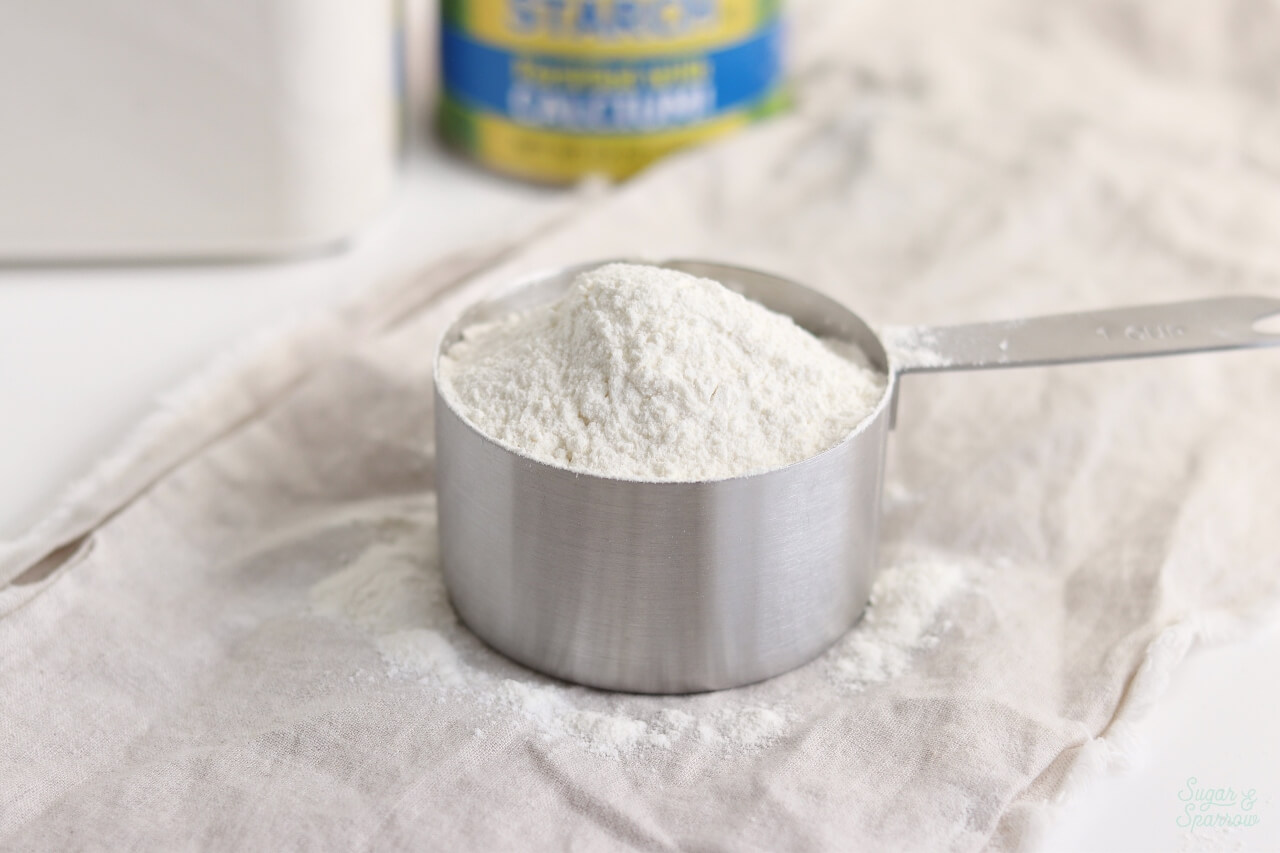
The Difference Between Cake Flour and All-Purpose Flour
While all-purpose flour is made from a combination of soft and hard wheat, cake flour is made from only soft wheat that’s been milled extra fine. It contains the lowest protein content of all the flours, and in baking, the lower the protein content the softer the texture. To give you an idea of the difference, cake flour has about 7-8% protein, all-purpose flour has about 10-12%, and bread flour has 14-16%. The higher the protein content, the more dense and sticky your batter will be, thus the more dense a cake will be after it’s baked.
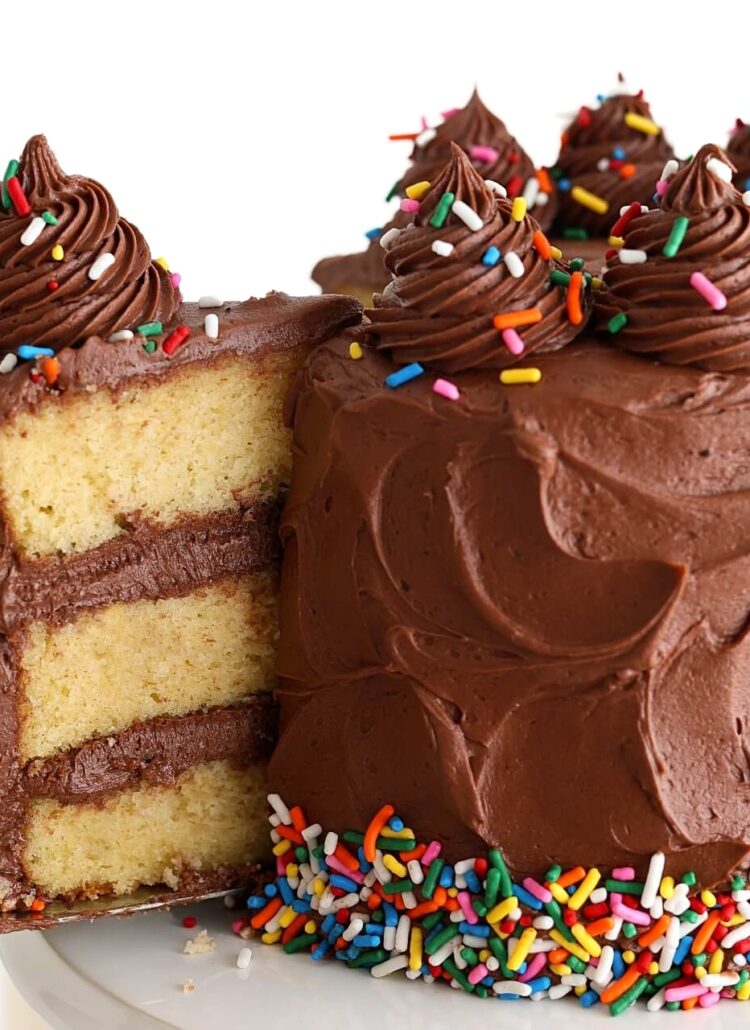
I did a little baking experiment to test cake flour vs. all-purpose flour and see if there really is a big difference. I made my vanilla cake recipe, first with cake flour, then with all-purpose flour.
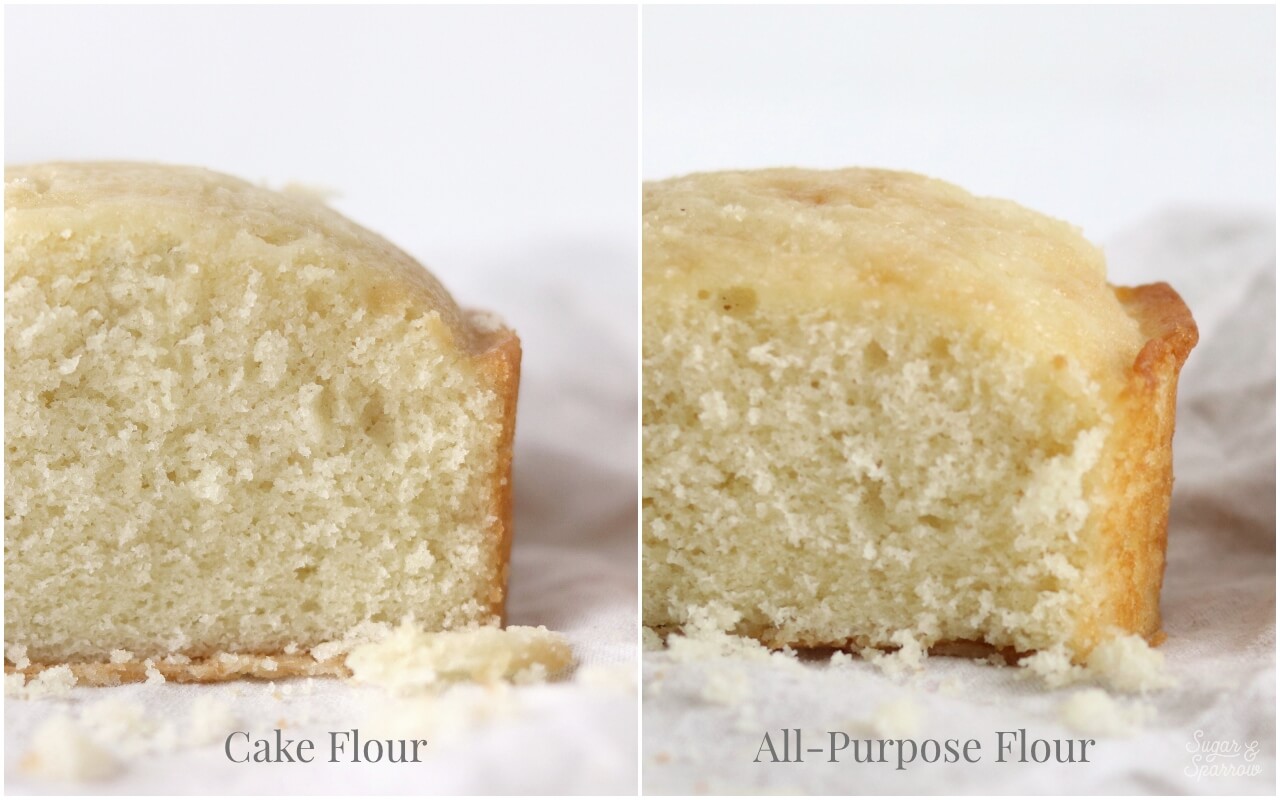
While you can’t see an alarming difference just by the photograph alone, trust me on this one. The all-purpose flour cake was much more dense and less flavorful (perhaps because of the extra gluten content?), while the cake flour version was mega-flavorful, so light, and so fluffy.
How To Make Homemade Cake Flour
You can find cake flour in the baking aisle of most grocery stores, but if it isn’t something you have access to, I have great news for you: you can easily convert the all-purpose flour you already have in your pantry into homemade cake flour that’s just as effective!
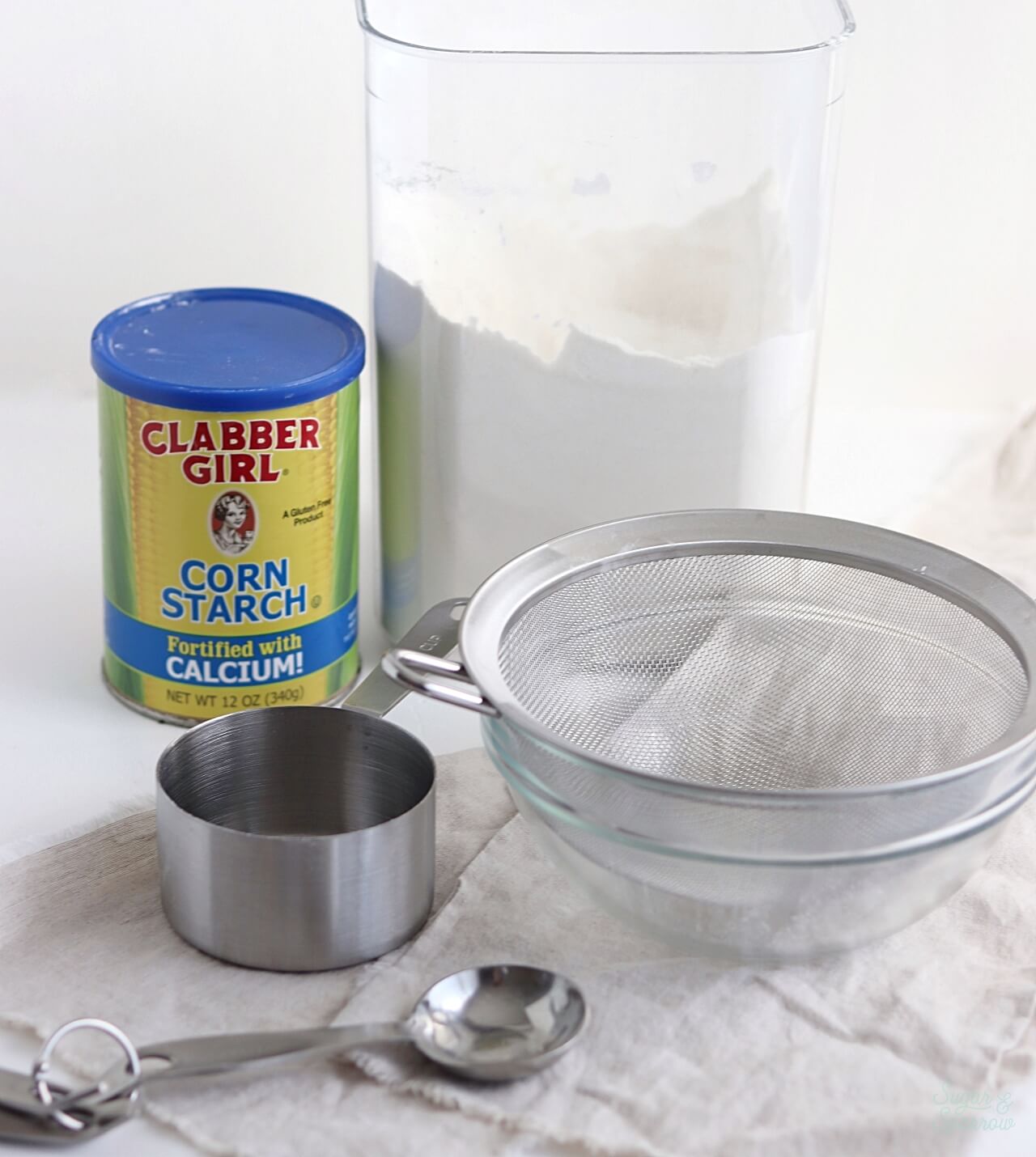
Here’s a quick video I whipped up of the process, and the detailed instructions are below:
You Will Need:
- All-Purpose Flour (also known as Plain Flour)
- Cornstarch
- Measuring cup (1 Cup)
- Measuring spoon (1 Tbsp)
- Sifter
Instructions:
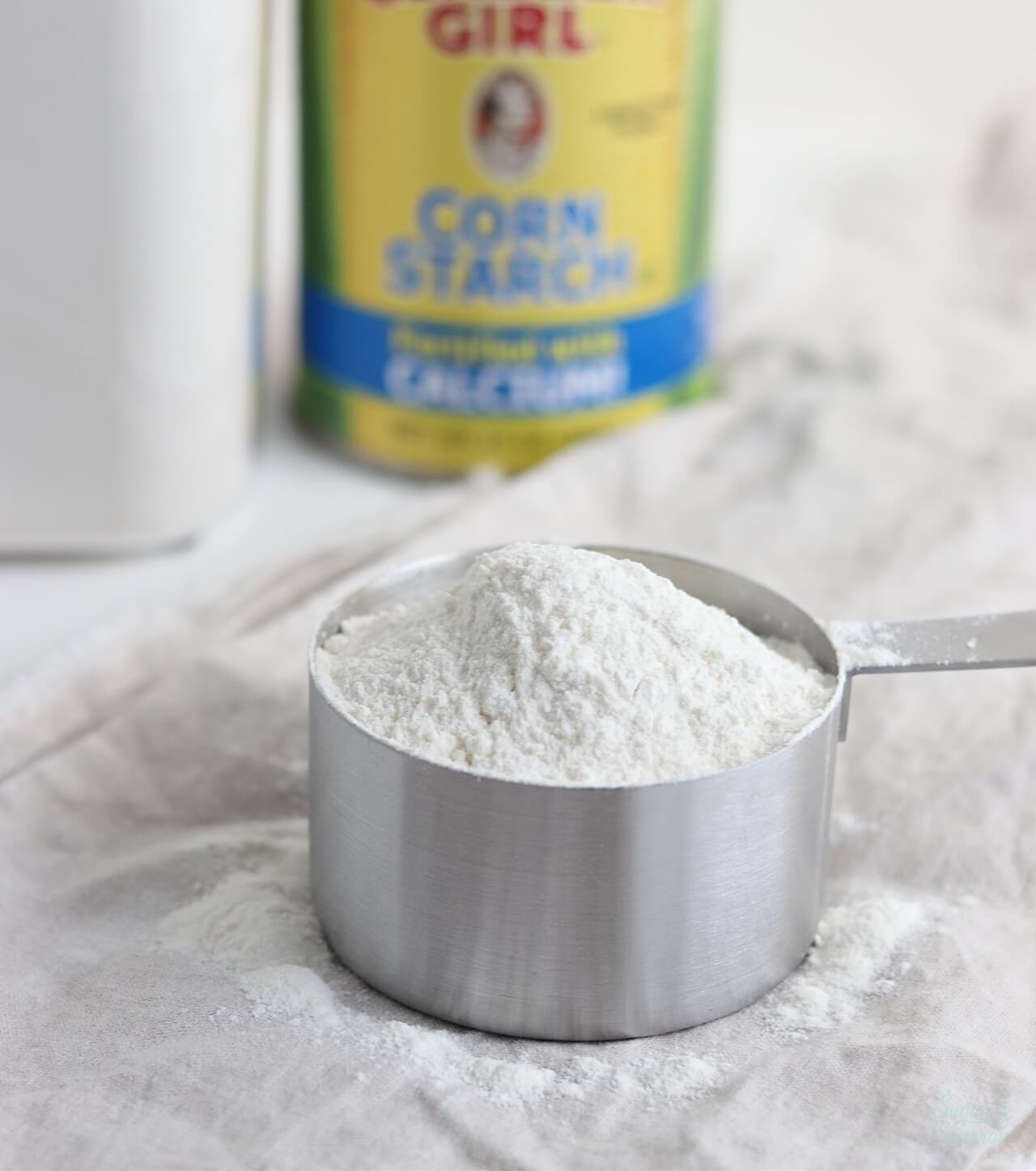
Place 2 Tbsp of cornstarch into a one-cup measuring cup.
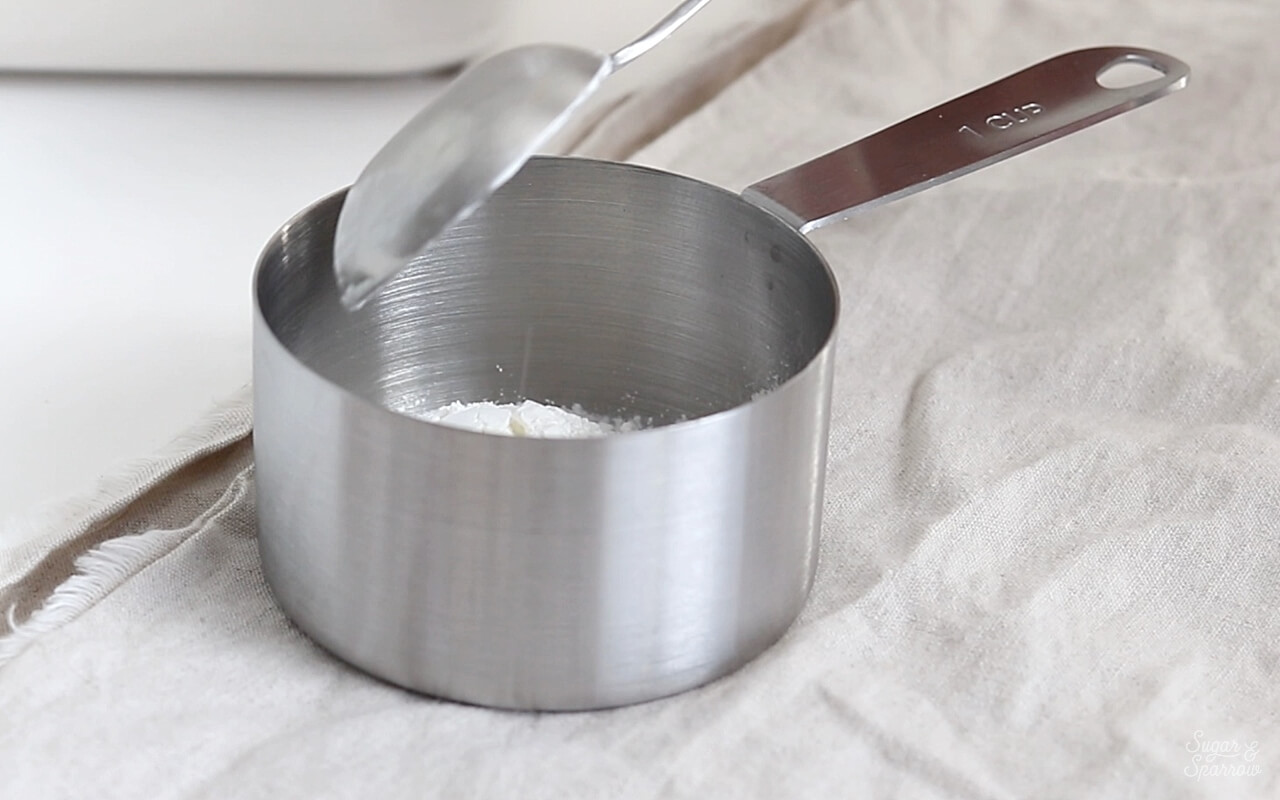
Spoon all-purpose flour or plain flour into the measuring cup and level it off to make exactly one cup.
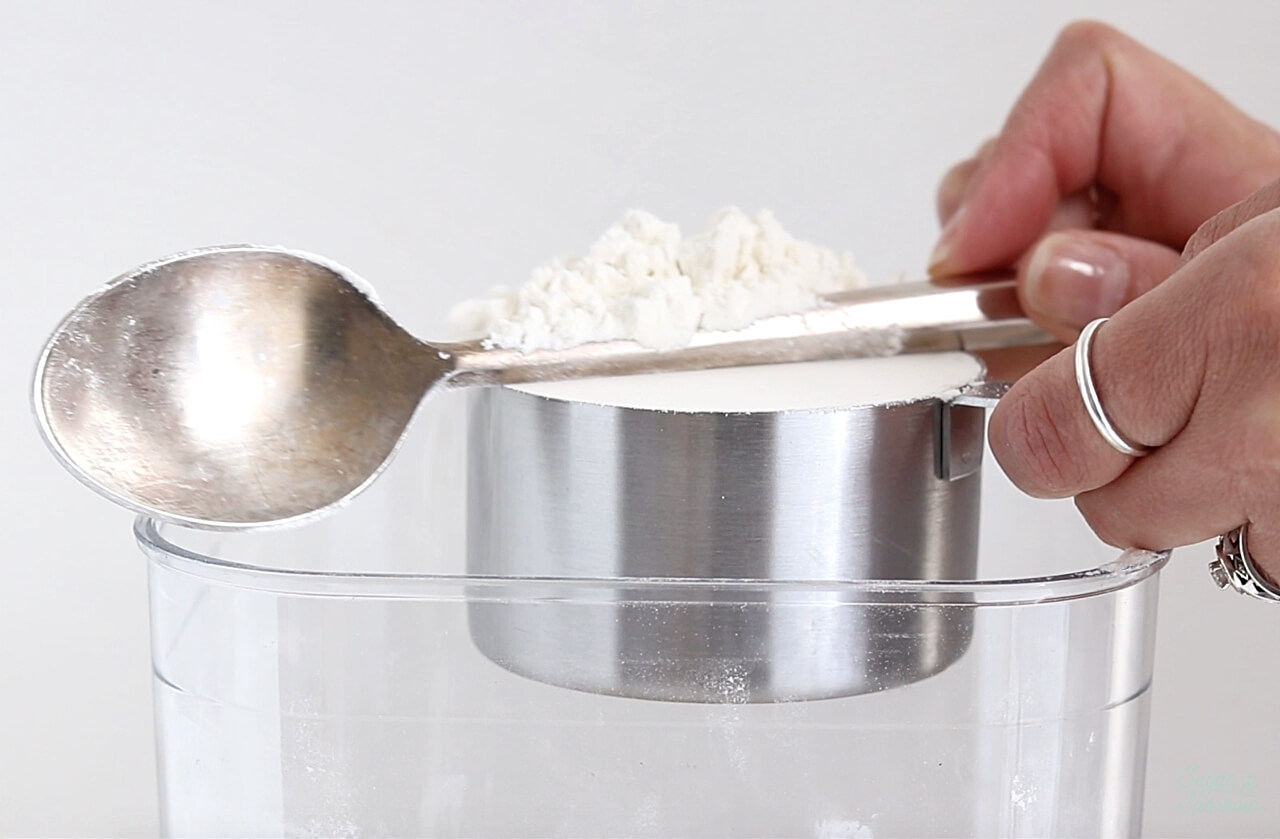
Repeat per the amount of cake flour the recipe calls for, then sift it all together into a large bowl 4-6 times. I know, it’s a lot of sifting, but so worth it!
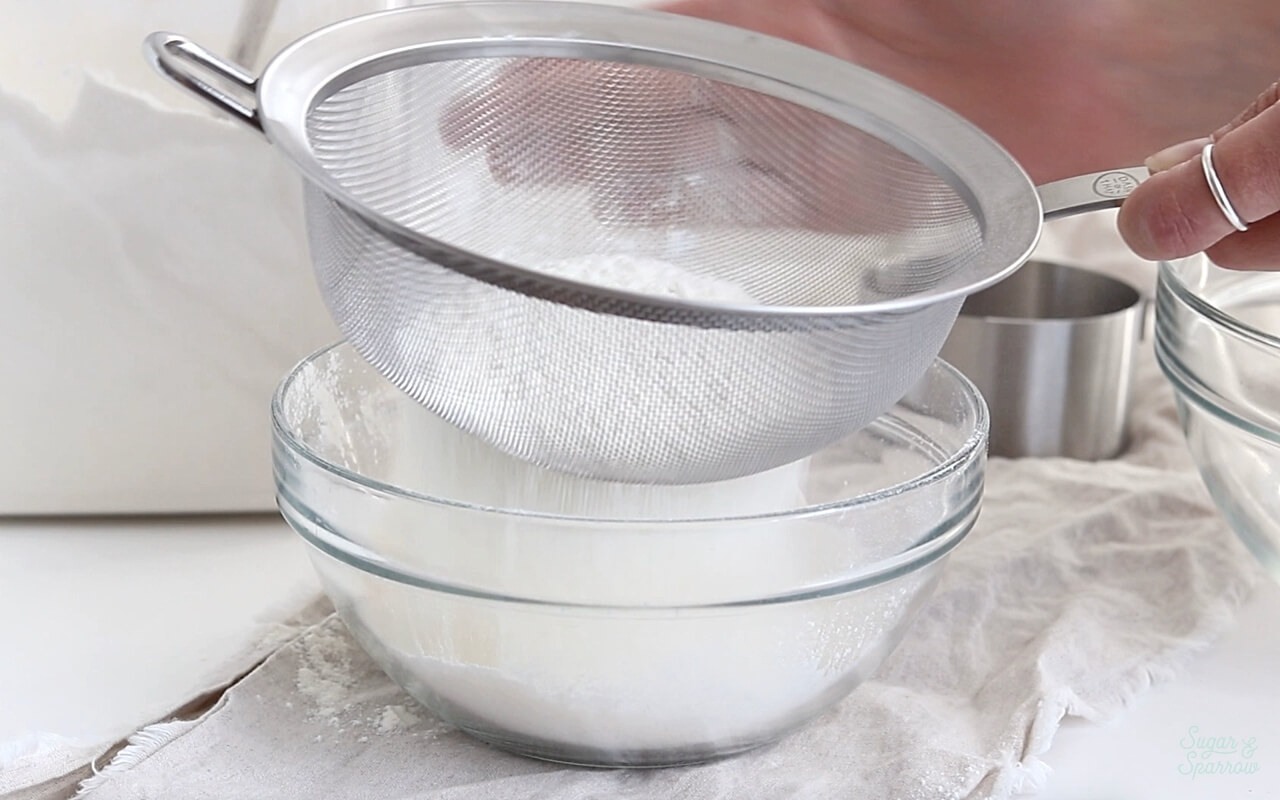
And voila, DIY cake flour! You can make large amounts of this cake flour ahead of time and store it in an airtight container in your pantry. This way, you won’t have to repeat the measuring-and-sifting process every time you make a cake. It’s a little more time intensive than buying actual cake flour, but it totally works in a pinch.
If you’d rather bypass this process and purchase cake flour, my favorite brands to use are Swan’s Down, Softasilk, and Bob’s Red Mill. Each of those will have you singing “hallelujah” when your cakes come out of the oven!

Hi Witney, would I be able to make this cake flour gluten free by substituting the all purpose flour with a gluten free measure for measure flour?
Hi Jamie! Yes, you can totally sub GF all purpose flour in this recipe.