
If you’ve never made brown butter before, you’re about to discover one of the easiest ways to add incredible flavor to your baking! Brown butter is simply regular butter that has been gently cooked until the milk solids begin to turn brown, which creates a rich, complex caramelized flavor profile. In this brown butter tutorial, I’ll share everything I know about making brown butter on the stovetop, what to look for, how to prevent it from burning, and how to use it in your baking recipes.
What is Brown Butter?
The process of browning butter is a traditional French culinary technique that is known for adding a rich, nutty, caramelized flavor to the butter. It’s essentially regular butter that has been cooked until the water evaporates and the milk solids have toasted. Here’s how it works:
- The butter melts and begins to evaporate: After gently melting the butter in a skillet, the water content boils off as steam.
- The milk solids separate: the melted butter develops a layer of foam and you’ll begin to see little white bits at the bottom of the skillet. These are the milk solids that will toast and begin to turn brown during a chemical process called the Maillard reaction.
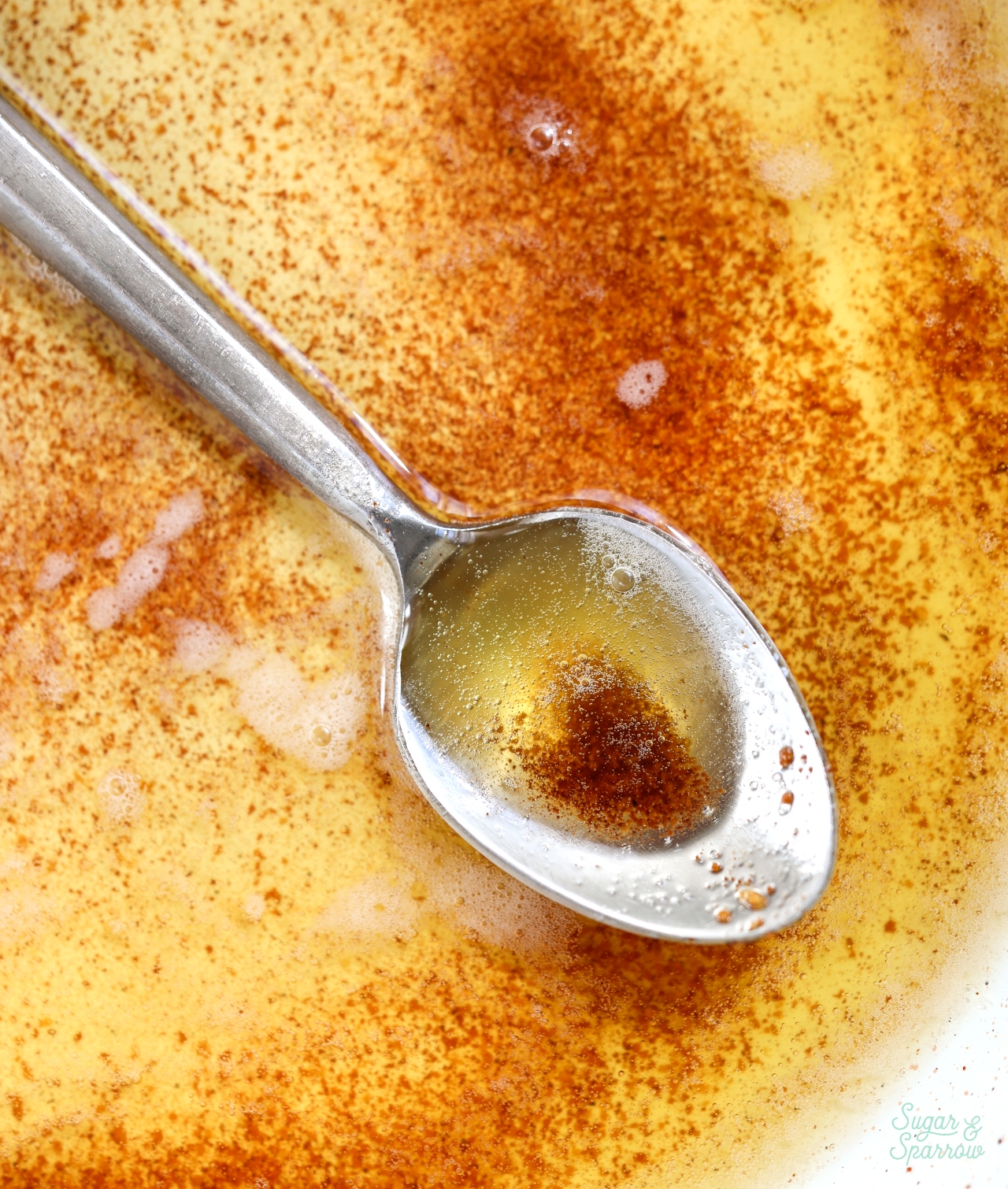
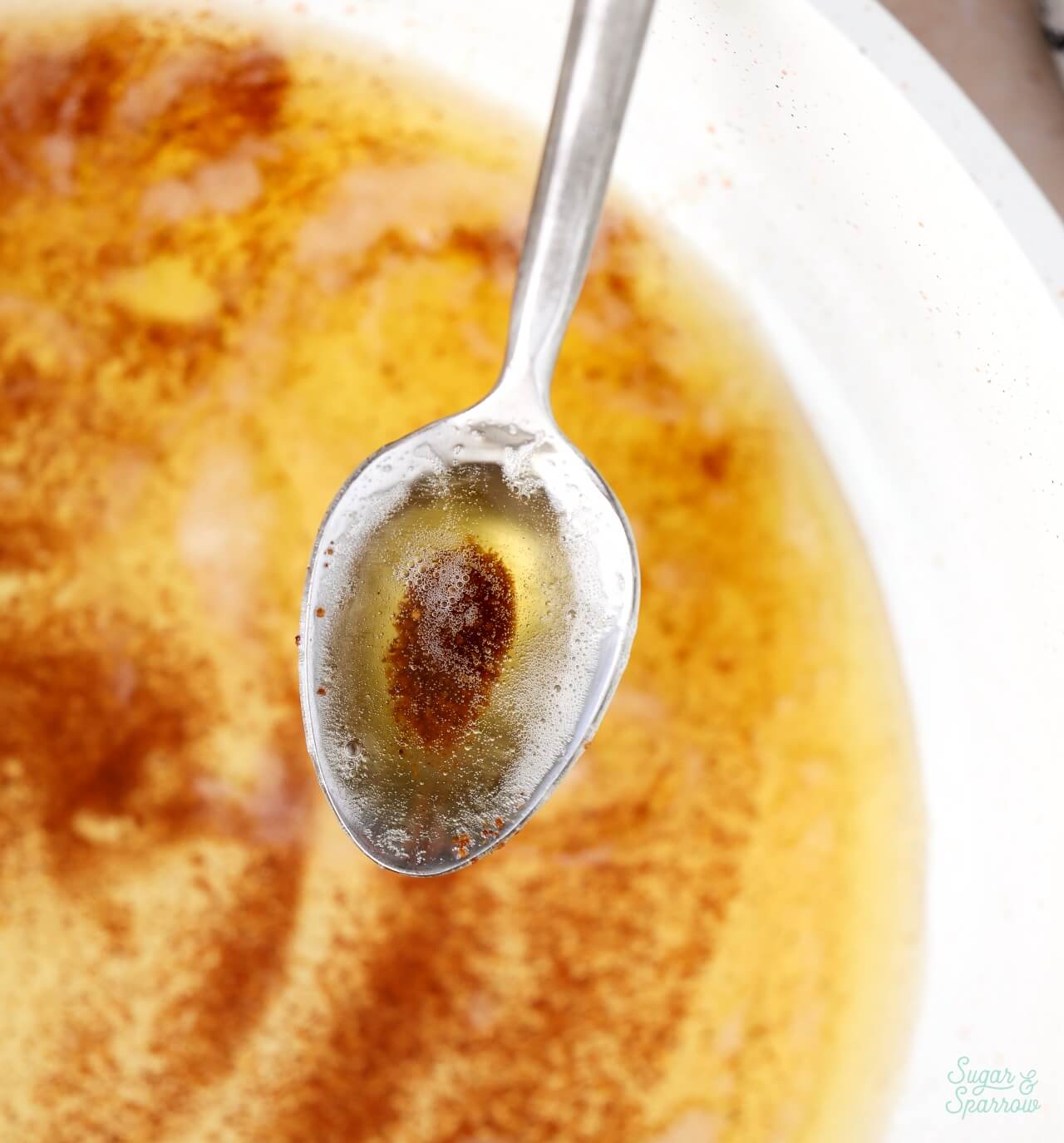
- The milk solids caramelize: the milk solids toast, starting as a caramel color and darkening to a medium-brown. The liquid part of the butter turns deep amber in color and gives off a distinct nutty aroma. At this point, remove it from the heat! You have perfect brown butter.
How to Make Brown Butter
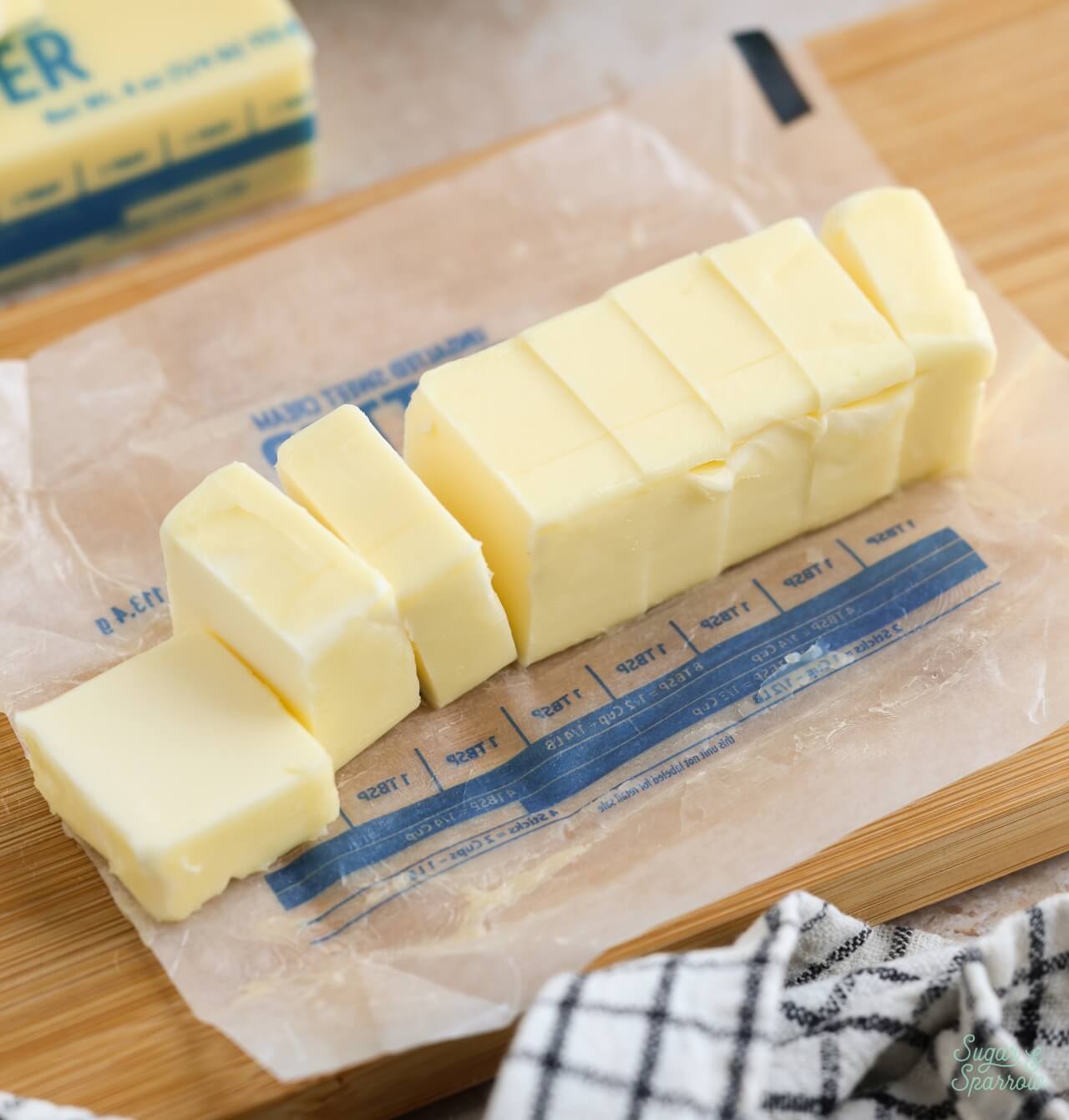
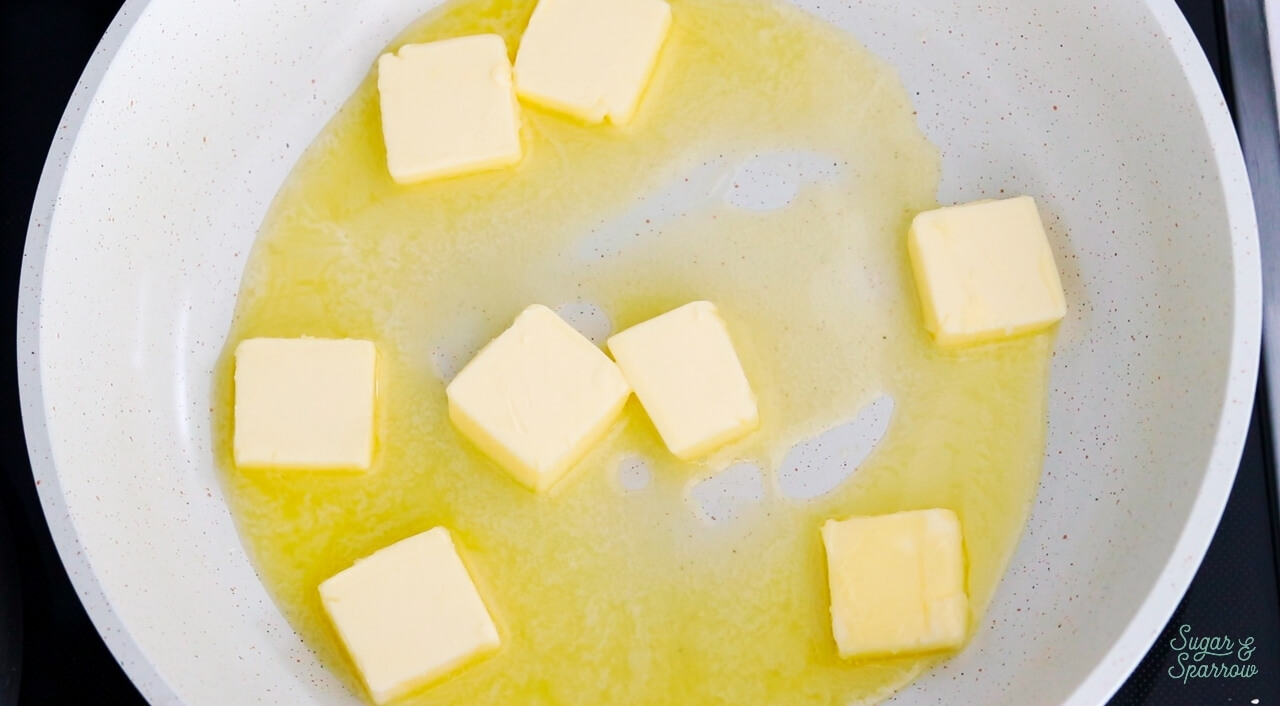
Step 1: Melt the butter. Slice the butter into tablespoon-sized pieces and place it into a skillet set over medium heat. Watch the butter melt while you stir it occasionally.
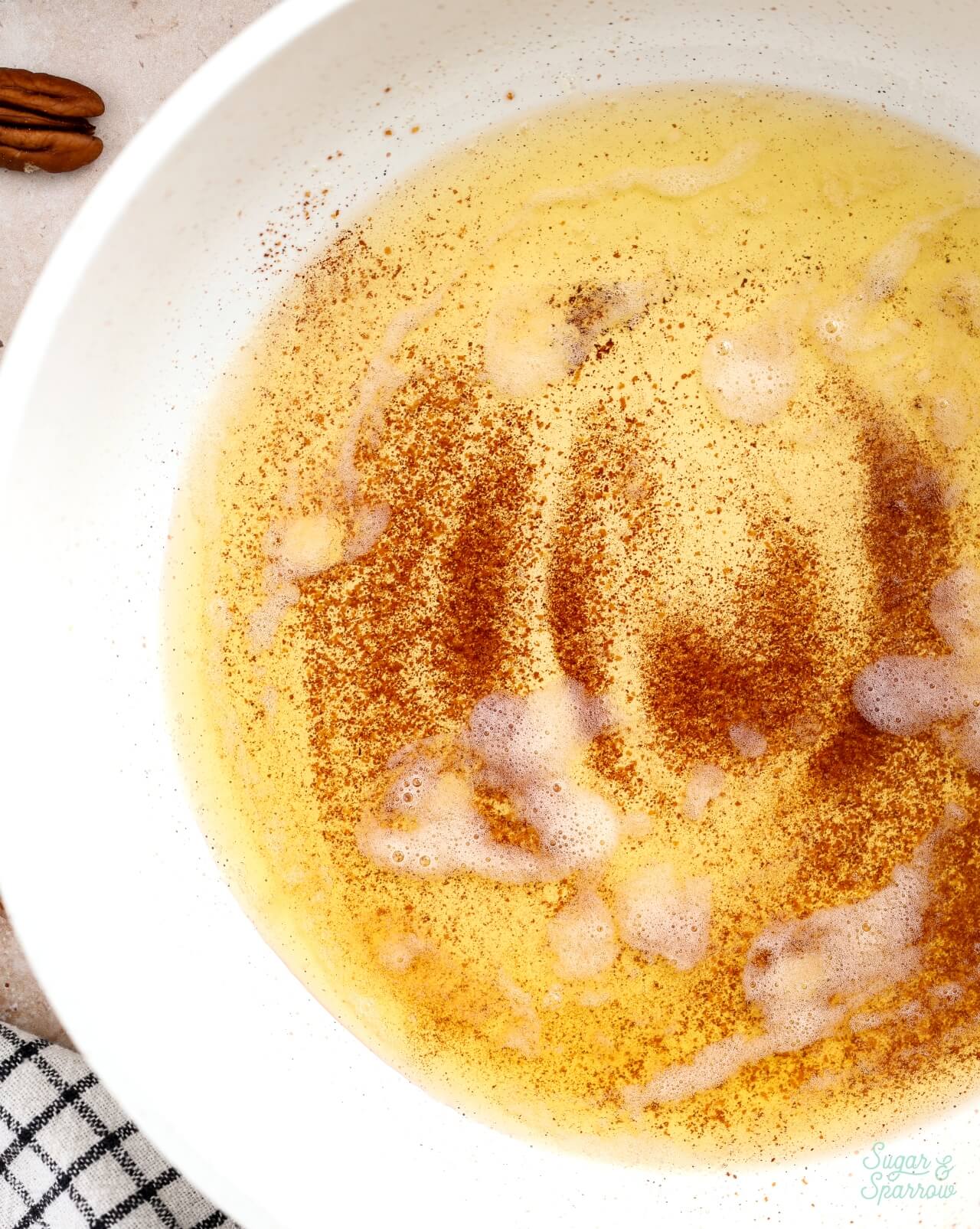
Step 2: Cook the butter. Once all of the butter is melted, continue to cook for 2-3 minutes while you stir constantly. The melted butter will start to foam on top, then the foam will subside and you’ll notice little white specks of milk solids at the bottom of the pan.
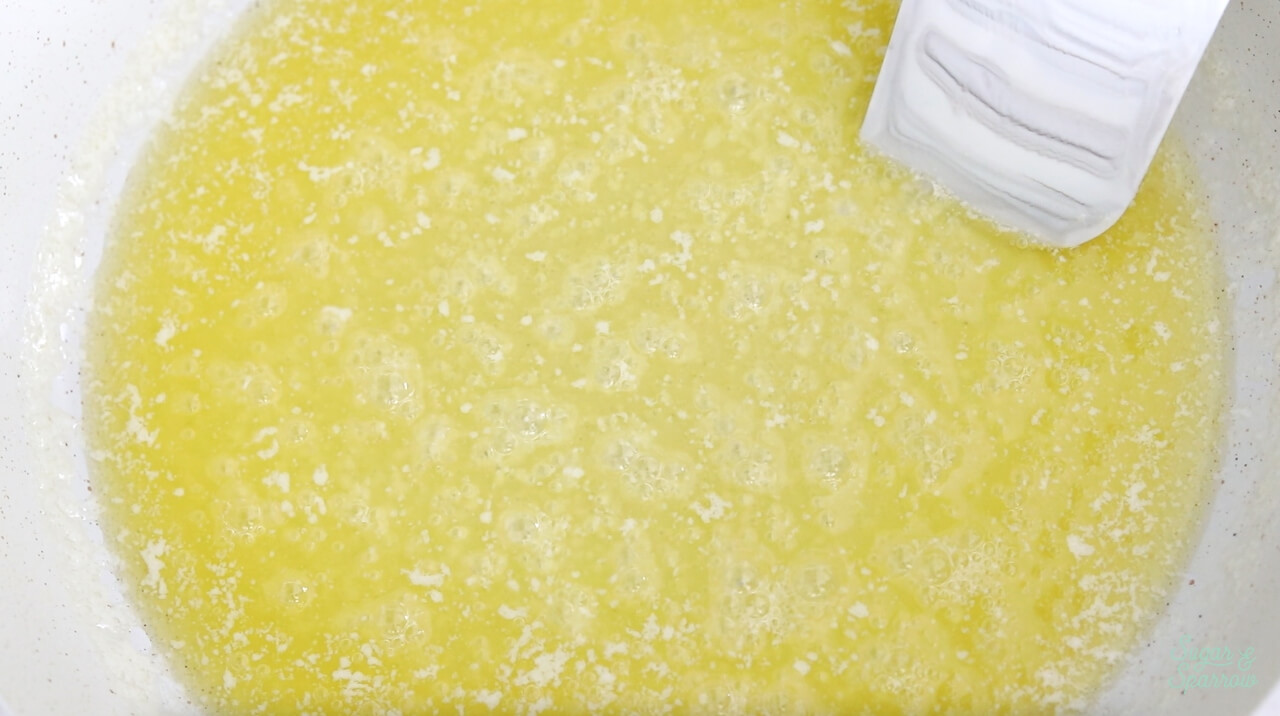
Step 3: Brown the butter. Watch closely and continue stirring – the white milk solids will quickly begin to caramelize and give off a rich, nutty aroma. Keep stirring just until the specks turn medium brown and the whole mixture is a deep amber color.
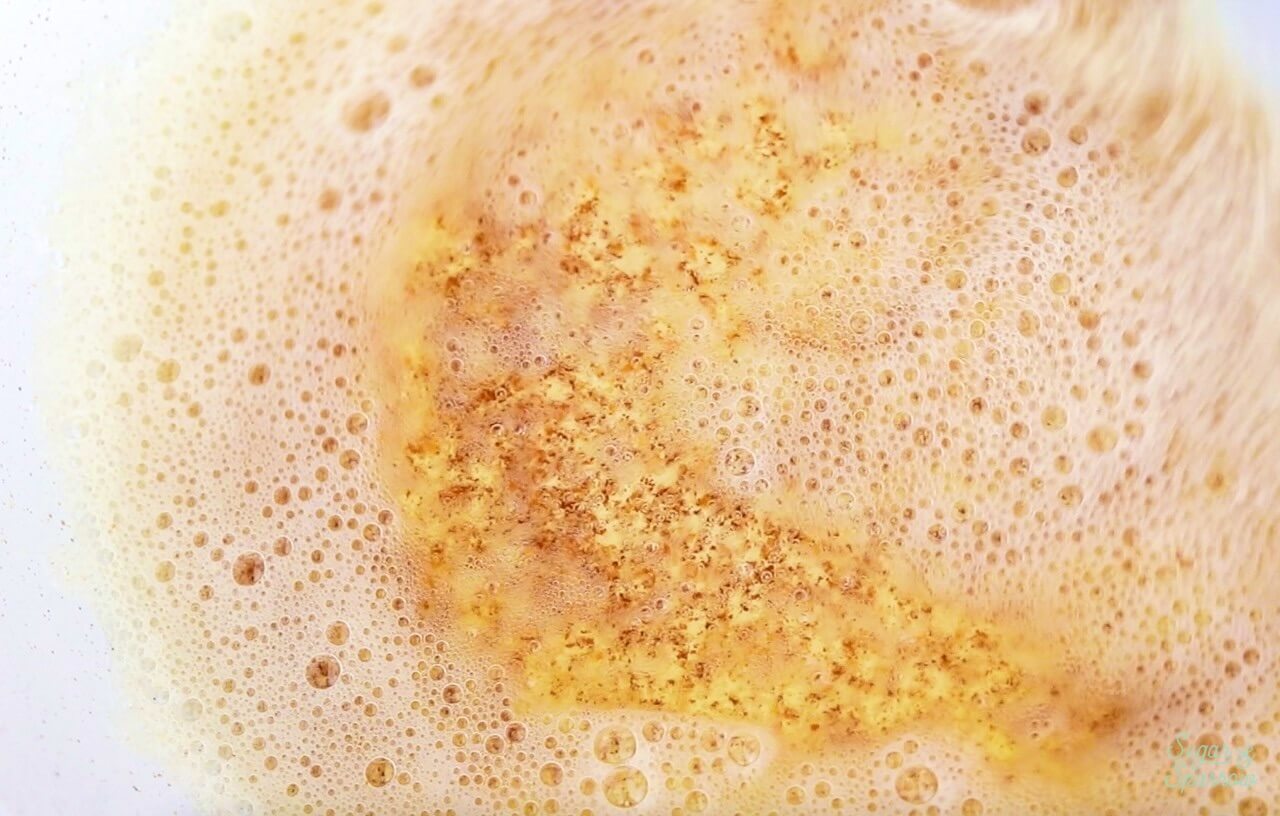
Step 4: Transfer the brown butter. To keep the butter from browning any further, transfer it into a heat-proof container like a glass jar or measuring cup. It’s important to do this quickly so that the butter doesn’t burn.
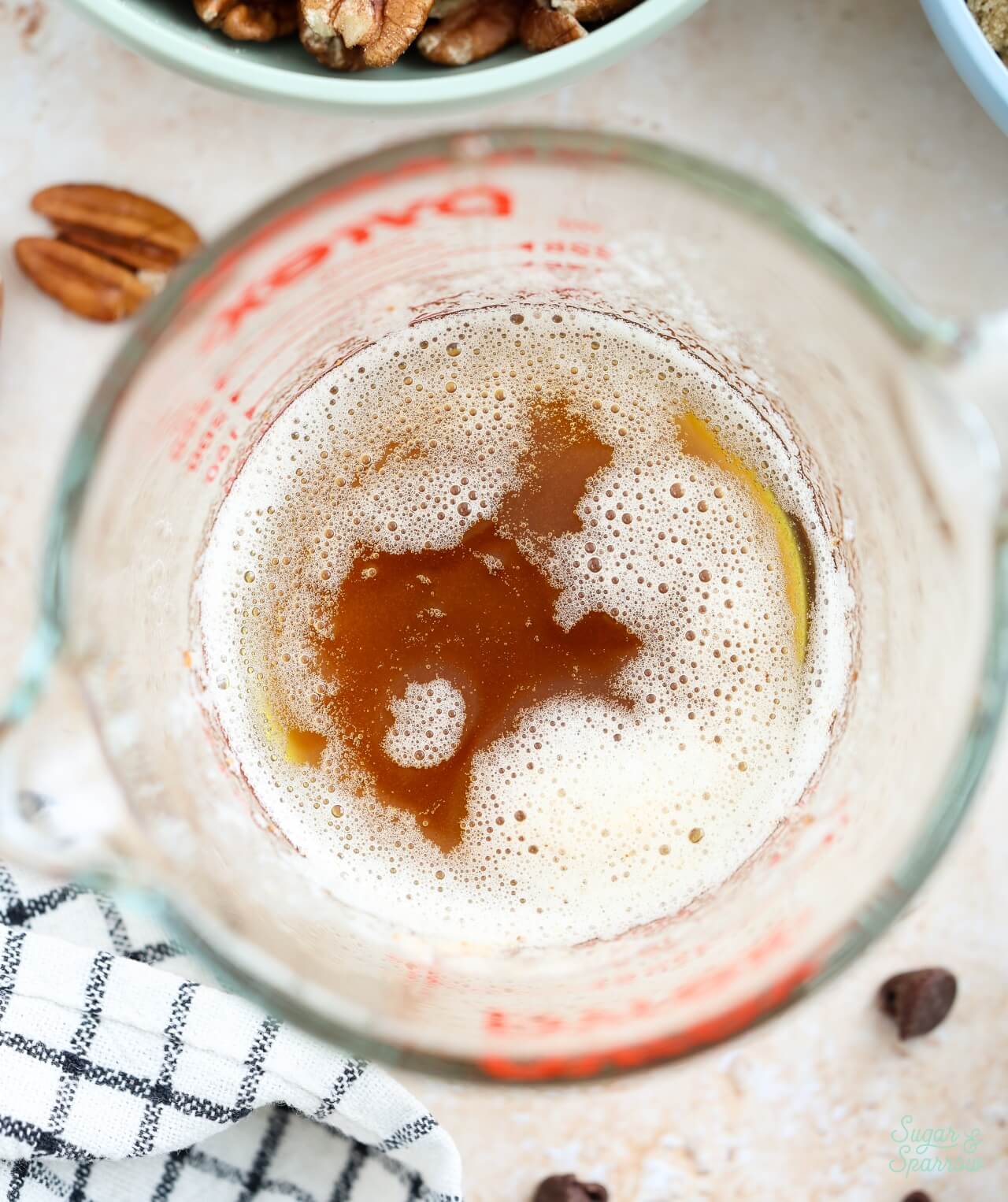
From here, you can use the brown butter however you want or store it for later! Most baking recipes that call for brown butter have you cool the butter slightly (sometimes completely to room temperature!) before using it. Just follow the instructions in the recipe whether it already calls for brown butter or you’re using it as a regular butter substitute.
Brown Butter Video Tutorial
Here’s a detailed video on how to brown butter from start to finish, including all the cues you’ll want to look for:
How to Substitute Brown Butter in a Baking Recipe
You can substitute brown butter in most baking recipes that already call for butter – especially ones that call for melted butter. One thing to note is that you’ll need to add 1-2 tablespoons more butter for every ½ cup of butter the recipe calls for before you brown it, then re-measure the butter afterwards to make sure you have the right amount. Since 10-20% of the liquid evaporates during the process of browning butter, starting with more butter helps you end the process closer to the original amount of butter the recipe calls for.
- If the recipe calls for melted butter: use the brown butter right after making it, or cool it down for the amount of time the recipe specifies.
- If the recipe calls for softened butter: chill the brown butter in the refrigerator until it’s creamy consistency and room temperature (between 65ºF and 68ºF). Depending on the amount of butter you’re chilling and the depth of your dish (shallower dishes take less time), this could take anywhere from about 30-45 minutes or longer.
- If the recipe calls for cold butter: chill the brown butter in the refrigerator until it’s solid. Depending on the amount of butter you’re chilling and the depth of your dish, this could take an hour or more.
Brown Butter FAQs
- Why can’t I substitute in an equal amount of brown butter in a recipe? During the cooking process, about 10-20% of the butter will evaporate and cause the final amount of brown butter to be less than when you started. For this reason, always add 1-2 tablespoons to the amount of regular butter called for in the recipe when you want to use brown butter instead.
- Do I need to cut up the butter before browning it? I recommend cutting the butter into tablespoon-sized pieces just so it melts and browns evenly.
- Can you make vegan brown butter? Yes, but the process is a bit different. I’d recommend looking specifically for a vegan brown butter recipe if that’s what you need.
- How will I know if my brown butter is burnt? You’ll know you’ve burned the brown butter when the specks are black in color, the liquid is bitter-smelling instead of nutty, and the mixture tastes charred.
- Can you rescue burnt brown butter? As long as it doesn’t smell burnt and taste bitter, there’s no need to worry about brown butter that’s a little more toasted than intended. If it smells or tastes charred, there’s no going back though. You’ll have to start over and keep a closer eye on the butter as it cooks.
- How do I store brown butter? Store brown butter in an airtight glass container or jar in the refrigerator for up to 2 weeks, or in the freezer for up to 3 months. I’ve even seen people portion out the brown butter in tablespoon increments and freeze them in silicone ice cube trays. It’s important to let the brown butter cool down before freezing it so that it doesn’t melt a plastic ice cube container.
Brown Butter Recipes to Try Next
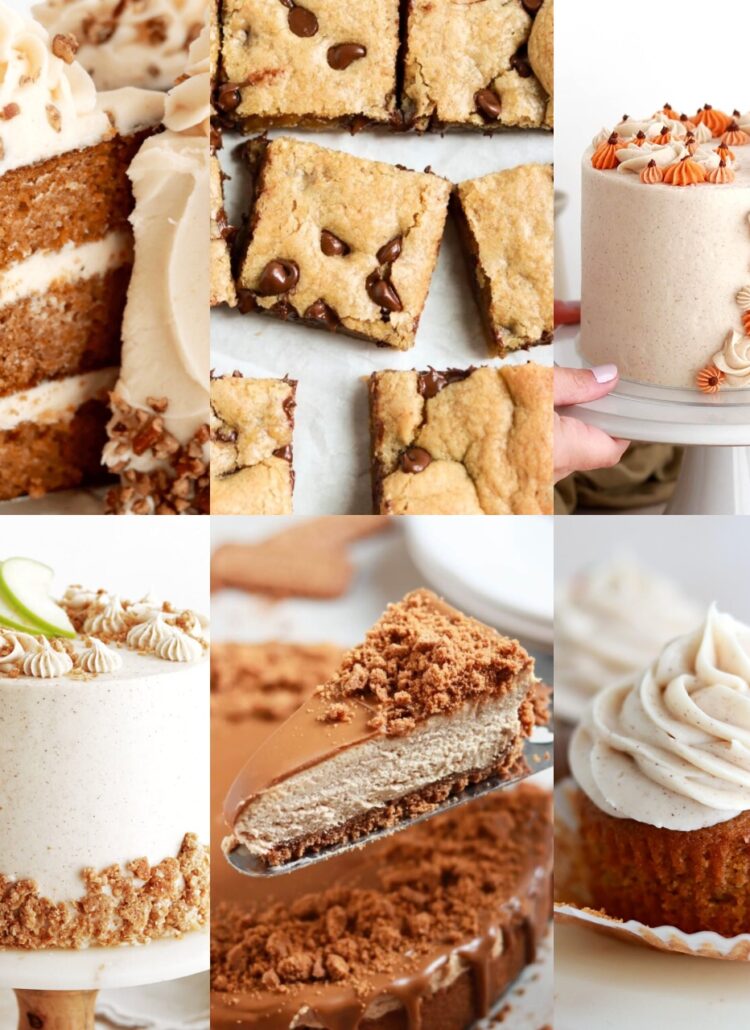
If you’re excited about making brown butter but have no idea what to use it in, here are some recipes from my blog to try next:
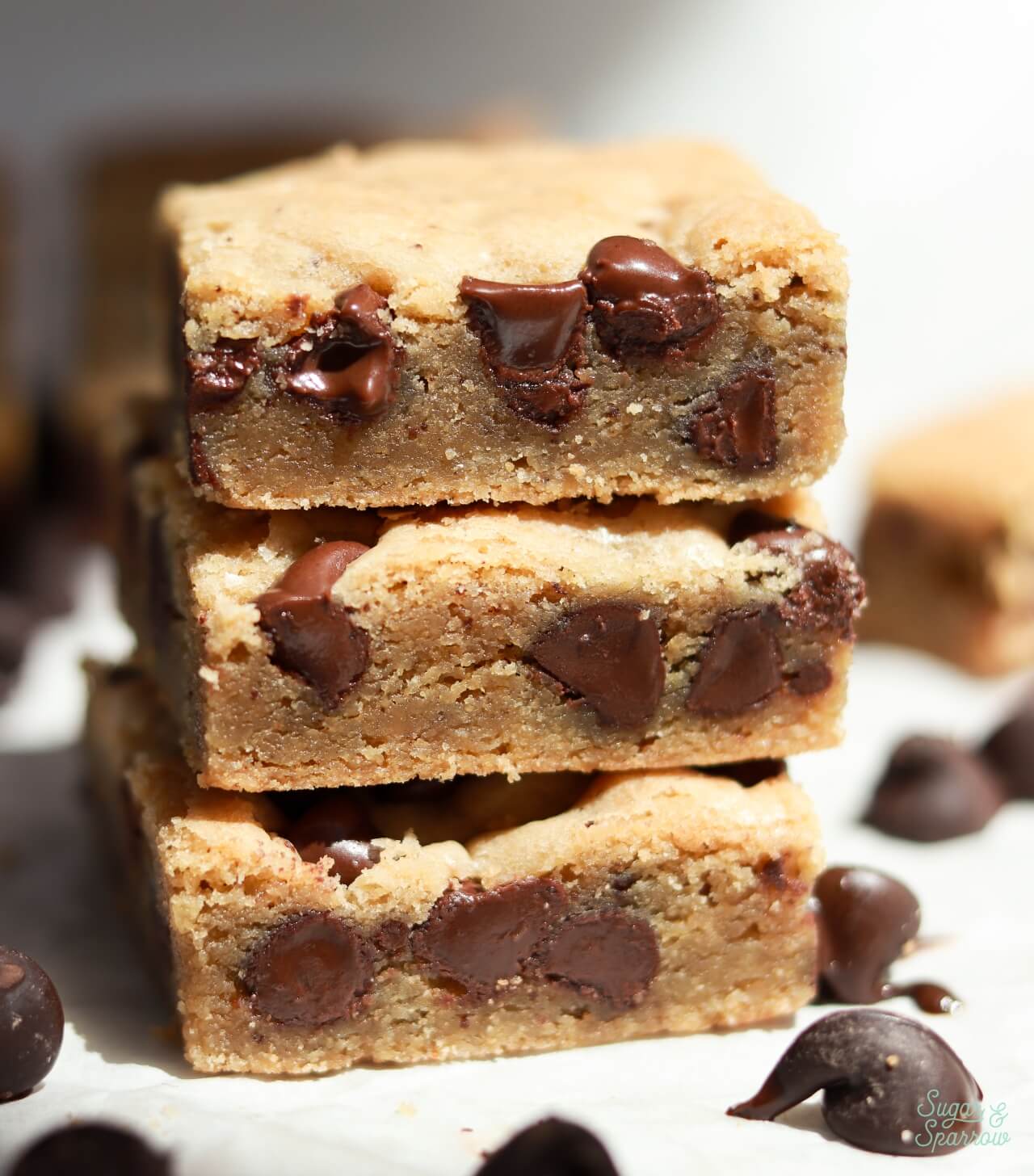
- Brown Butter Chocolate Chip Cookie Bars
- Brown Butter Cream Cheese Frosting
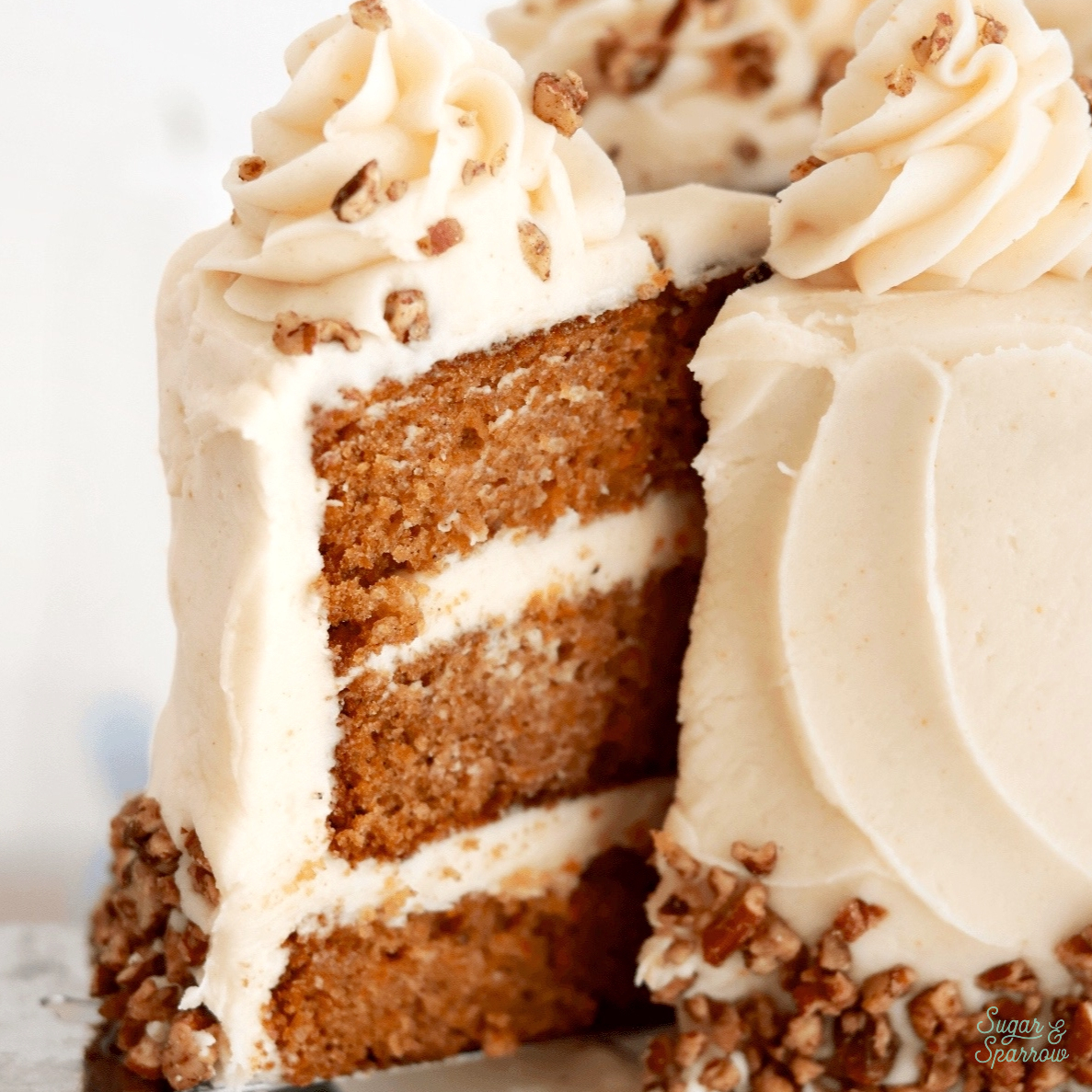
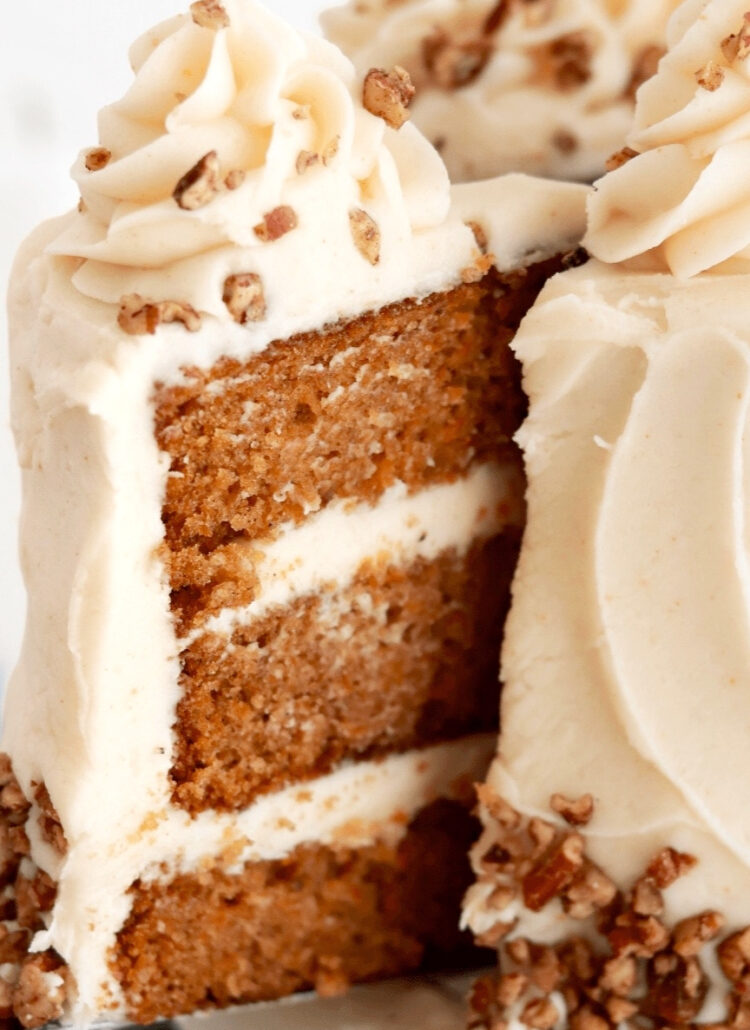
- Carrot Cake with Brown Butter Cream Cheese Frosting
- Peach Crisp Cake with Brown Butter Frosting
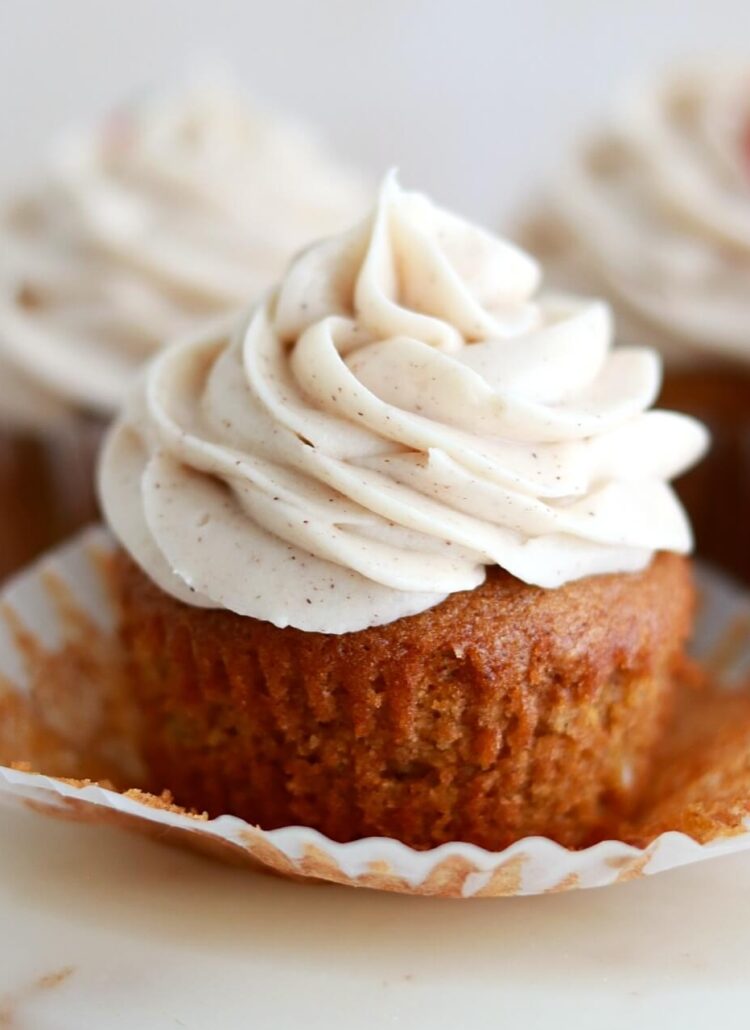
- Spice Cake with Brown Butter Cream Cheese Frosting
- Brown Butter Banana Cake with Salted Caramel
- Brown Butter Chocolate Chip Skillet Cookie
- Brown Butter Frosting
Now that you know how to brown butter, you’re going to be unstoppable. Let me know what you make with it in the comments below and be sure to leave a review (with a star rating!) if this recipe is helpful. Happy baking!
Brown Butter
Ingredients
- 1/2 Cup (113g) butter (regular or unsalted), cut into tablespoon-sized pieces
Instructions
- Set a glass measuring cup or jar aside to pour the brown butter into at the end of the recipe. It helps to have this ready to go!
- Add the butter into a large frying pan set over medium heat and stir occasionally until the butter melts. Keeping the heat on medium, continue cooking for another 2-5 minutes while stirring constantly and watching closely. The melted butter will first start to foam on top, then the foam will subside and you'll notice white specks of milk solids at the bottom of the pan. The specks will then begin to caramelize and turn brown in color. You'll know the brown butter is perfect when the specks are medium-brown, the liquid turns deep amber in color, and you begin to smell a rich, nutty aroma.
- Immediately remove from the heat and pour the brown butter into the glass container. Then, store the brown butter or use as desired.
Leave a Reply