
One of the most frequent questions I get from cake business owners is “how should I be pricing my cakes?” I totally get it, because when I ran my custom cake business years ago, determining pricing was one of my biggest challenges, especially in the beginning.
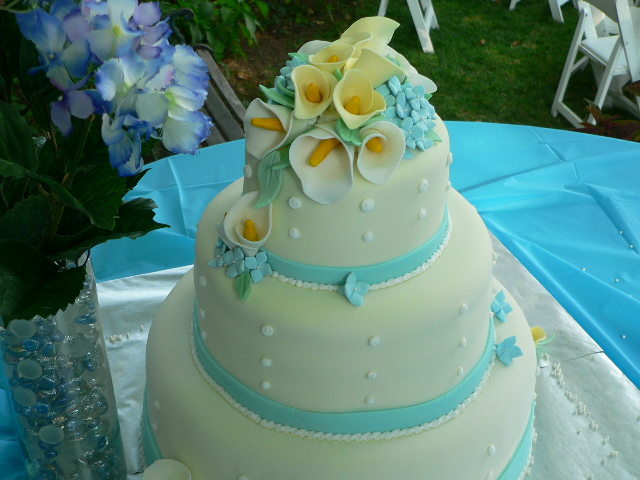
For example, the first wedding cake I ever made was a three-tiered fondant-covered cake with handmade gumpaste flowers. I can’t remember exactly how long it took me from start to finish (spoiler alert: it was days), but I do remember working on the cake the whole day before the wedding and finding myself up at 3am, still decorating and being stressed out of my mind. In the morning, the cake looked great, but there was still the small matter of delivering said cake to the wedding venue – a whole new level of panic. The cake did make it there in one piece and the mother of the bride handed me my check. That’s when it hit me that I had agreed to do several days worth of work for one hundred and twenty five dollars. I swore I’d never do that again.
While it was a deflating experience, it didn’t stop me from making more cakes. I went on to spend nearly a decade selling custom cakes from my certified home kitchen and still, I struggled with pricing. It’s so very easy to undersell yourself when it comes to being a cake maker, especially when you have no idea where to start with your prices. I want to share some helpful tips I’ve gathered for pricing your cakes so that you can continue doing what you love and charge what you’re worth.
Custom Cakes vs. Grocery Store Cakes
When you’re first starting out, it’s very tempting to compare your pricing to the cakes at your local grocery store or bakery, but here’s the thing: custom cakes take a lot more intention, time, and effort. Your grocery store has the equipment and staff necessary to mass-produce cakes and churn them out at a low cost. Your cake business is likely run from your own home, by one person (you), with limited oven and refrigerator space. That takes more time right there. Add the time and creativity involved in making custom cake decorations and you’ll spend all day on one cake.
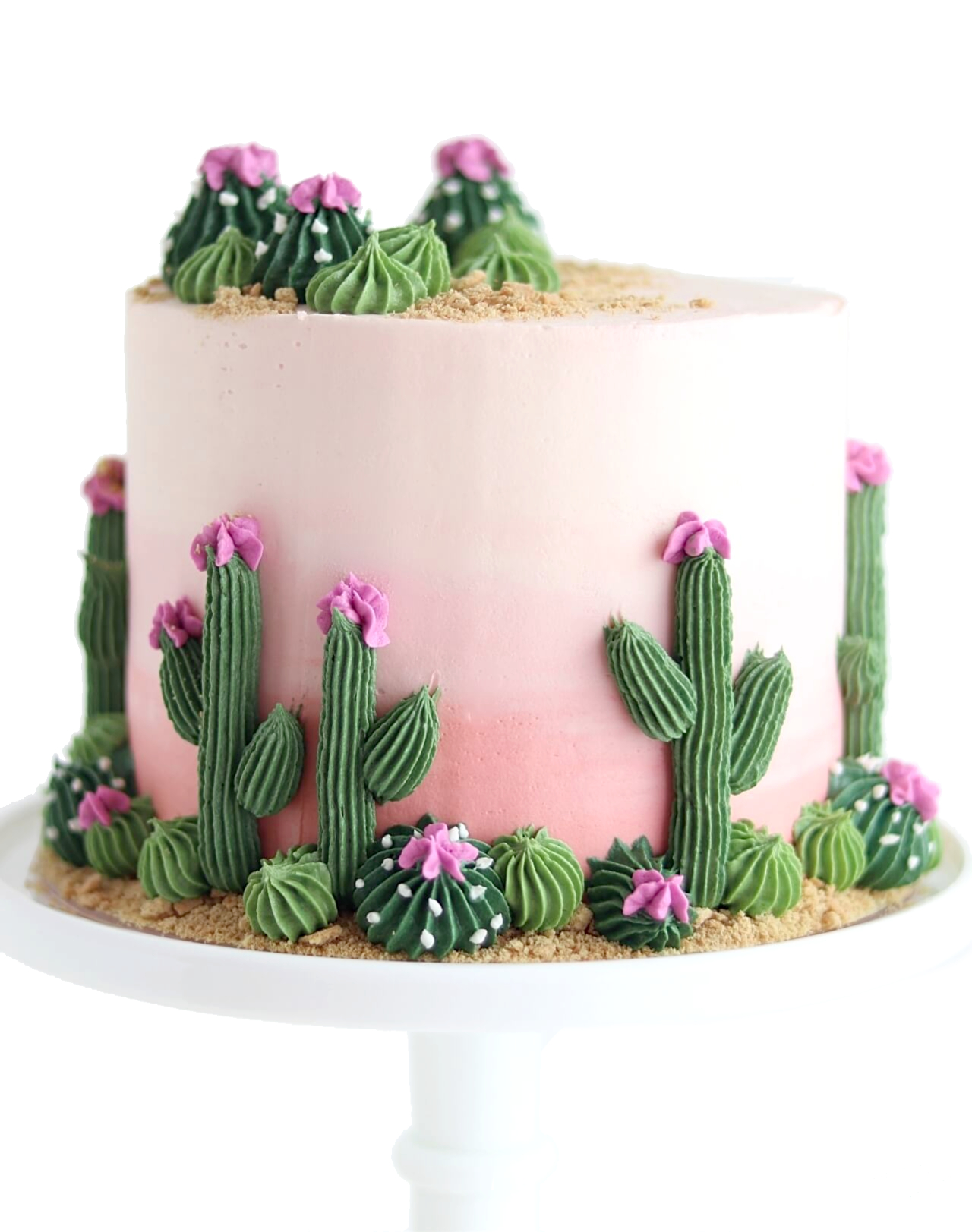
Because of these differences, do not be tempted to compete with grocery store cake prices! Your cakes should cost more because they take more time, effort, and consideration. Not everyone will be able to afford them, and that’s okay.
You Should Be Charging More
When I first started out, the average cost of my 6-inch cakes was about $100. I had this constant tension of thinking that was too expensive and simultaneously stressing about underselling myself. But my friends, family, and even clients would tell me, “you should be charging more.” So slowly, I started increasing my prices and was blown away to still have just as much business.


If you’re confident in your cake making skills, have clients willing to pay for your cakes, and are serious about running a business, you should be pricing your cakes in such a way that it causes some people to walk away. It will be much more worth your time to take one higher priced cake order than several lower priced cake orders. I’ll show you how to come up with pricing that better reflects your worth in the next sections!
3 Different Ways to Price Cakes
In this section I’ll go over three different ways that you can price cakes, including the pricing strategy I used for my business:
Strategy 1: Per Serving
This is pretty straightforward – choose a price per slice of cake and multiply by the amount of servings. For example, if your price per serving is $7.00 and you’re selling a 3-layer 6-inch cake that serves 20 people, the price should be $140. I think there should be exceptions to this where the price increases, like if you’re adding a custom cake topper that takes more of your time (which I cover next).
Strategy 2: Base Price + Add-Ons
This was a strategy I used for my business for a long time. You determine a base price per cake size and then come up with prices for add-ons like custom cake toppers, special ingredients, and so on. The base price includes a cake that is filled and frosted (but not decorated) and then the price goes up based on the cake design. Here’s an example of what I used to charge for my most popular cake sizes (each 3-layer):
| Base Price | |
| 6-inch Cake | $140 |
| 8-inch Cake | $160 |
| Add-Ons | |
| Vintage Piping | $30 |
| Special Message | $10 |
| High Cost Ingredients (Nutella, matcha, mascarpone, etc) | $10 |
| Handmade Cake Topper | $50+ |
Strategy 3: Cost of Ingredients + Time and Effort + Overhead
This pricing strategy gets very involved, but accounts for everything. If you’re the analytical type, this might be fun for you! I am not, so I went with the previous strategy for simplicity.
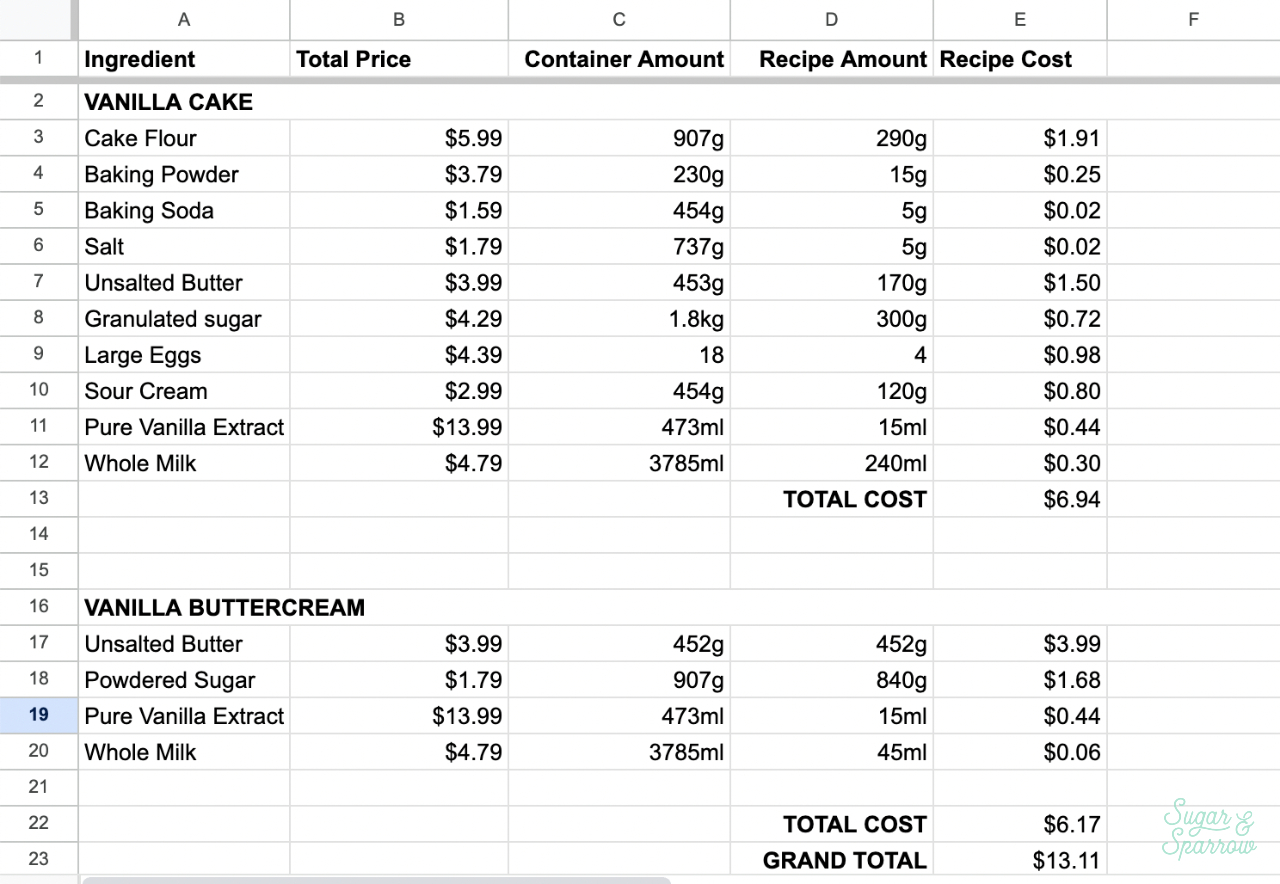
- Determine the cost of your ingredients. Like, every ingredient that goes into every one of your cake and frosting recipes. List the ingredients in a spreadsheet, calculate the total container amount (I found this was easiest to do in grams), list the amount used in the recipe, and calculate the cost of that recipe amount. I used this basic formula:
Recipe Cost Per Ingredient = (Total Cost of Ingredient/Container Amount in grams or ml) x Amount Used for the Recipe
So to give you an example from the spreadsheet below, it would cost $1.91 for the amount of cake flour in the vanilla cake recipe because $5.99/907 grams = 0.0066 per gram. Multiply that by the amount used in the recipe (290g) and you get $1.91. Repeat that process with the rest of the ingredients, add them all up (from column E in the spreadsheet example) and you’ll have the total cost of making the recipe. For my vanilla cake filled and frosted with vanilla buttercream, the total cost of ingredients totals $13.11.
- Add time and effort. For this part, you’ll need to determine how much you want to charge per hour and calculate the amount of hours it takes to make the cake. For example, if you want to be paid $25 per hour and the cake takes 5 hours to prepare, bake, assemble, and decorate, you’ll add $125 to the cost of the ingredients.
- Add overhead. This means all the indirect costs that go into making this cake: cardboard cake circles ($0.75), a cake box ($1.40), and special molds or tools you might need to buy for this specific cake, etc. It also includes the fixed costs like rent/electricity on your space (lets say $20 per cake) and depreciation of your baking equipment ($1 or less per cake). For this example, let’s go with all the amounts in parentheses, so $23.15.
From here, add up the cost of ingredients, time and effort, and overhead: $13.11 + $125.00 + $23.15 = $161.26. Round it to a whole number to keep it tidy and you have your price.

Add a Delivery Fee
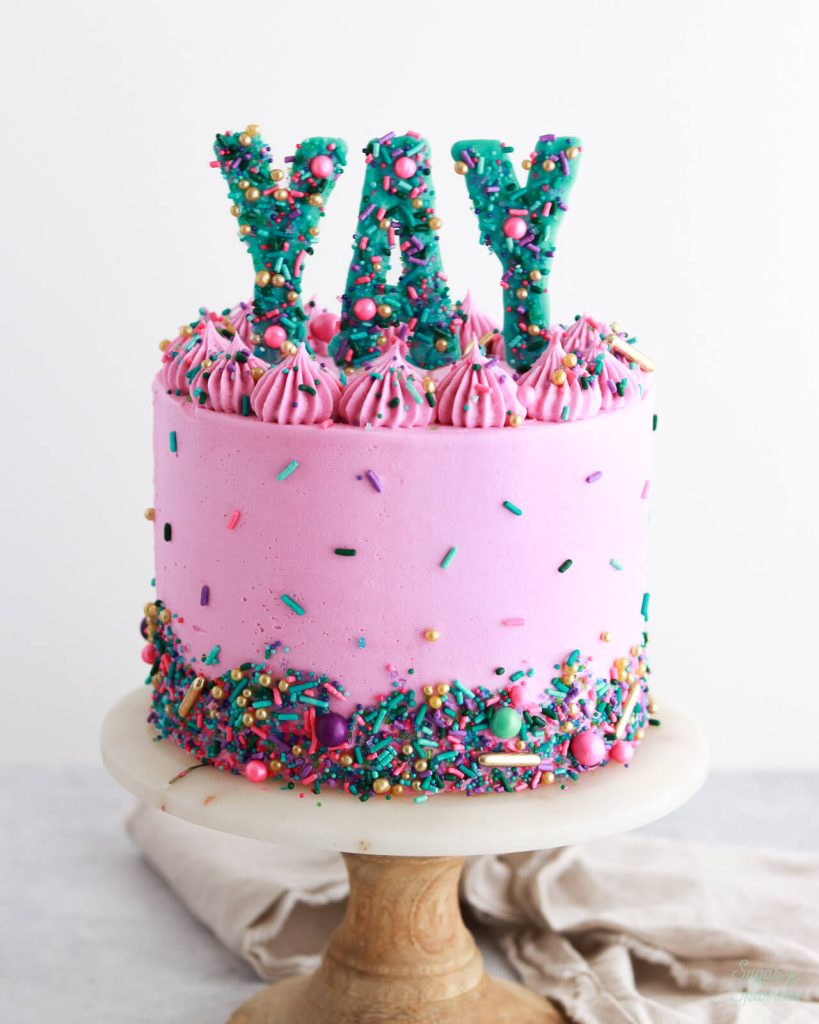
If you’re delivering the cake, you need to add a delivery fee. Always. You can either set a fixed delivery fee within a certain radius (mine was $20), or you can calculate a special delivery fee based on distance. Either way, your delivery fee should cover gas, wear and tear on your car, and personal stress.

Cake Pricing for Friends and Family
Now that you have a better understanding of how to price your cakes for clients, you can be a little more flexible with friends and family if you want. Here are some strategies that I have used:
- Set a fixed discount (25% off, 50% off, etc). Determine the price of the cake using one of the methods above and then deduct the discount.
- Only charge for ingredients. Calculate your ingredient costs and pass that price on.
- Make the cake as a gift. In other words, totally free.
It’s completely up to you whether or not you offer a friends and family discount, or to whom you offer it.
Build a Community with Your Fellow Bakers
One of my friends and fellow business owners always says, “community, not competition” and I love that so much. You shouldn’t see other cake bakers in your area as competition. In fact, I’m a firm believer in joining together. By knowing your fellow cake makers you can swap stories, support each other on social media, and just generally lift each other up. You might even make some real life friends. And when you’re too busy to take on an extra cake order, you have resources to direct clients to. That always feels good.

More Helpful Resources for Your Cake Business
Hopefully you found this blog post to be a good starting point for your cake pricing! If you’re just starting out with your business, here are some other blog posts that might be helpful:
- How to Package and Transport Cakes
- How Many Servings Per Cake Size
- How Much Buttercream Do I Need?
- How to Make and Decorate Cakes Ahead of Time
- My Favorite Cake Tools
Let me know if you’ve found this blog post helpful in the comments below! I’d love to cheer you on.

Leave a Reply