
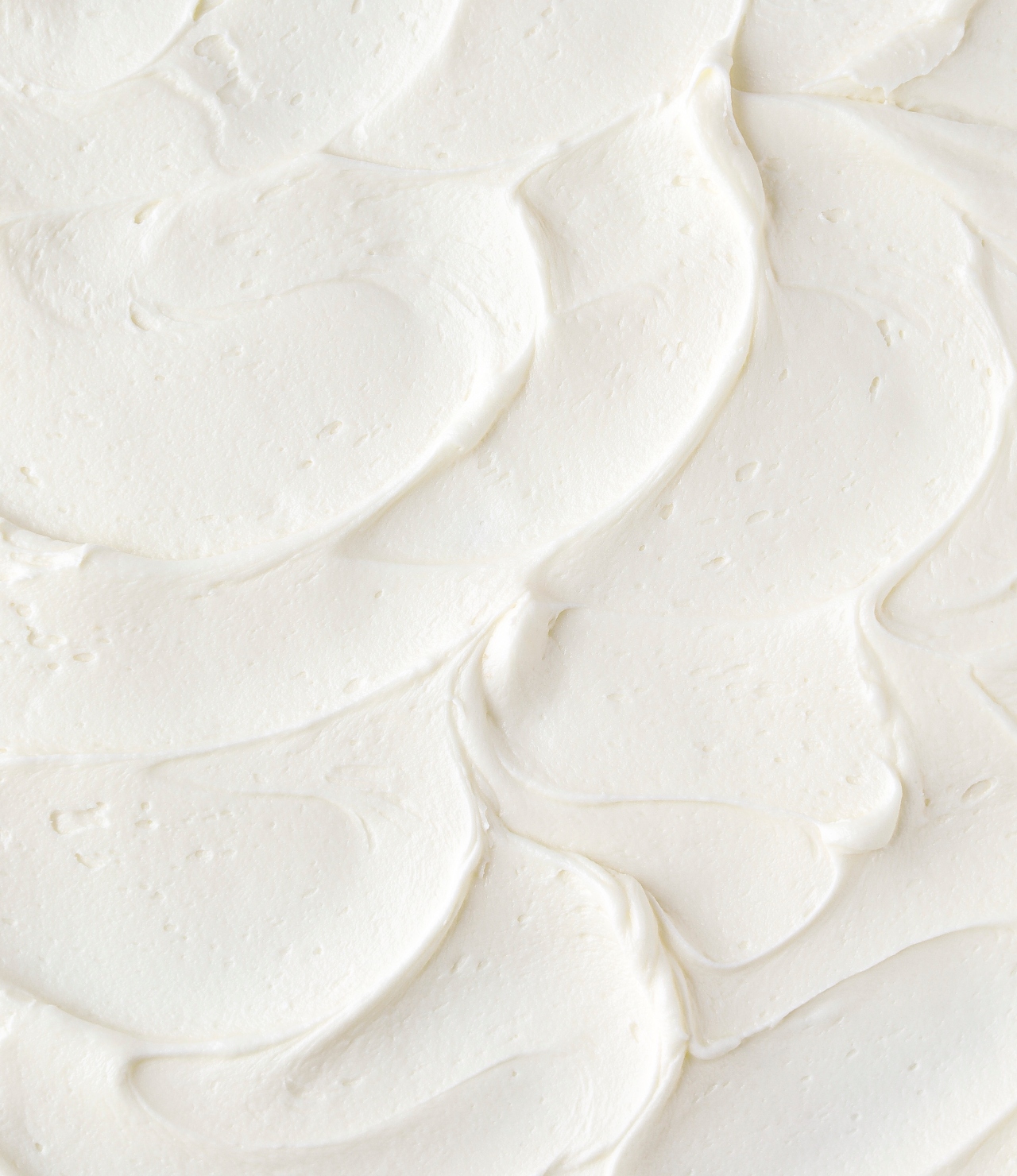
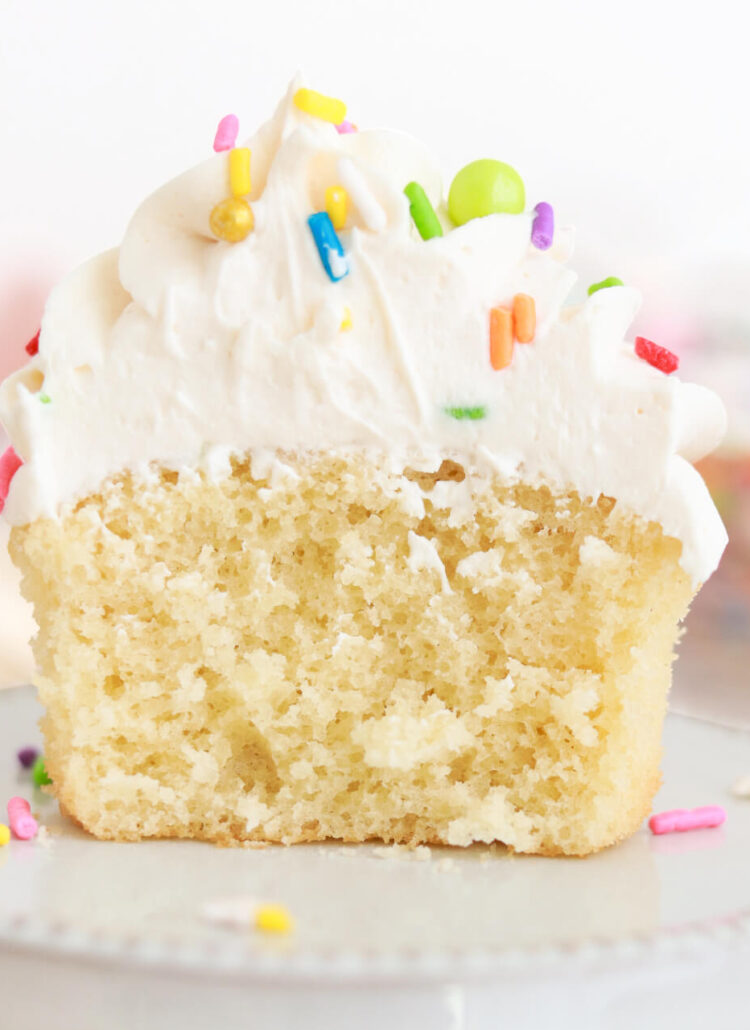
This easy vanilla buttercream recipe is my go-to American buttercream for cakes and cupcakes. It’s rich, creamy, full of vanilla flavor, and less sweet than traditional American buttercream thanks to the perfect balance of butter, powdered sugar, vanilla, and salt. It has a smooth, spreadable consistency that’s ideal for filling and frosting layer cakes, topping cupcakes, and piping intricate designs. It also firms up in the refrigerator, making it perfect to use as a frosting base under fondant!

One reader, Iqra, says: “I LOVE this recipe, I have been making buttercream for some time now but I wanted to see if I could make it better, creamier and less sweet. And this recipe was just that! It was so creamy, light, fluffy and the perfect amount of sweetness. Best recipe I have found!” ★★★★★
I’ve tested countless buttercream recipes over the years, and this is the vanilla frosting I come back to again and again. It’s simple enough for beginner bakers but versatile enough for detailed cake decorating, and you can easily adjust the consistency depending on how you plan to use it.
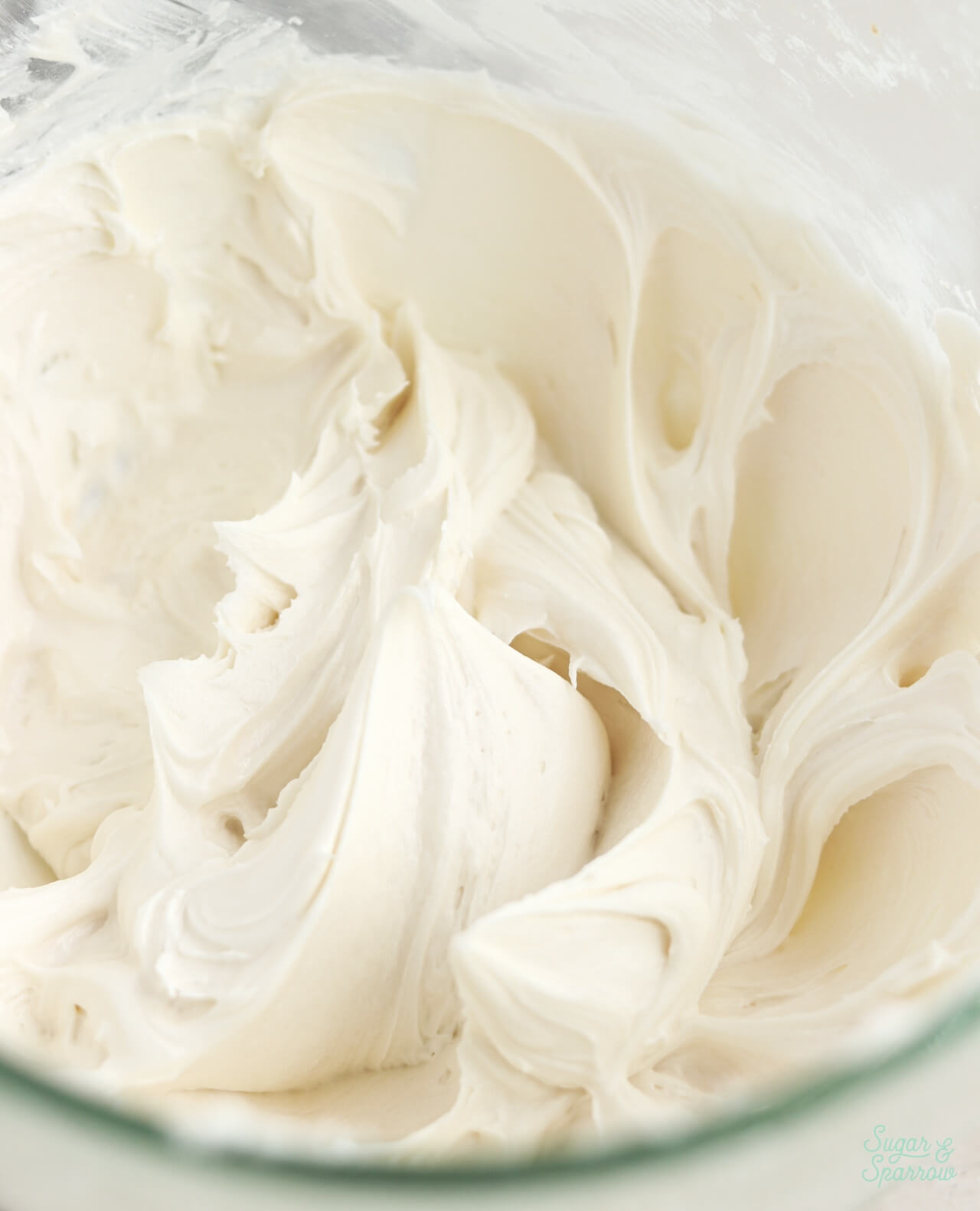
Why You’ll Love This Vanilla Buttercream
- Beginner-Friendly. No cooked sugar, egg whites, or complicated techniques necessary here. This vanilla buttercream comes together in minutes with a stand mixer or hand mixer.
- Less Sweet. This recipe uses less powdered sugar than the average American buttercream and balances the sweetness with salt.
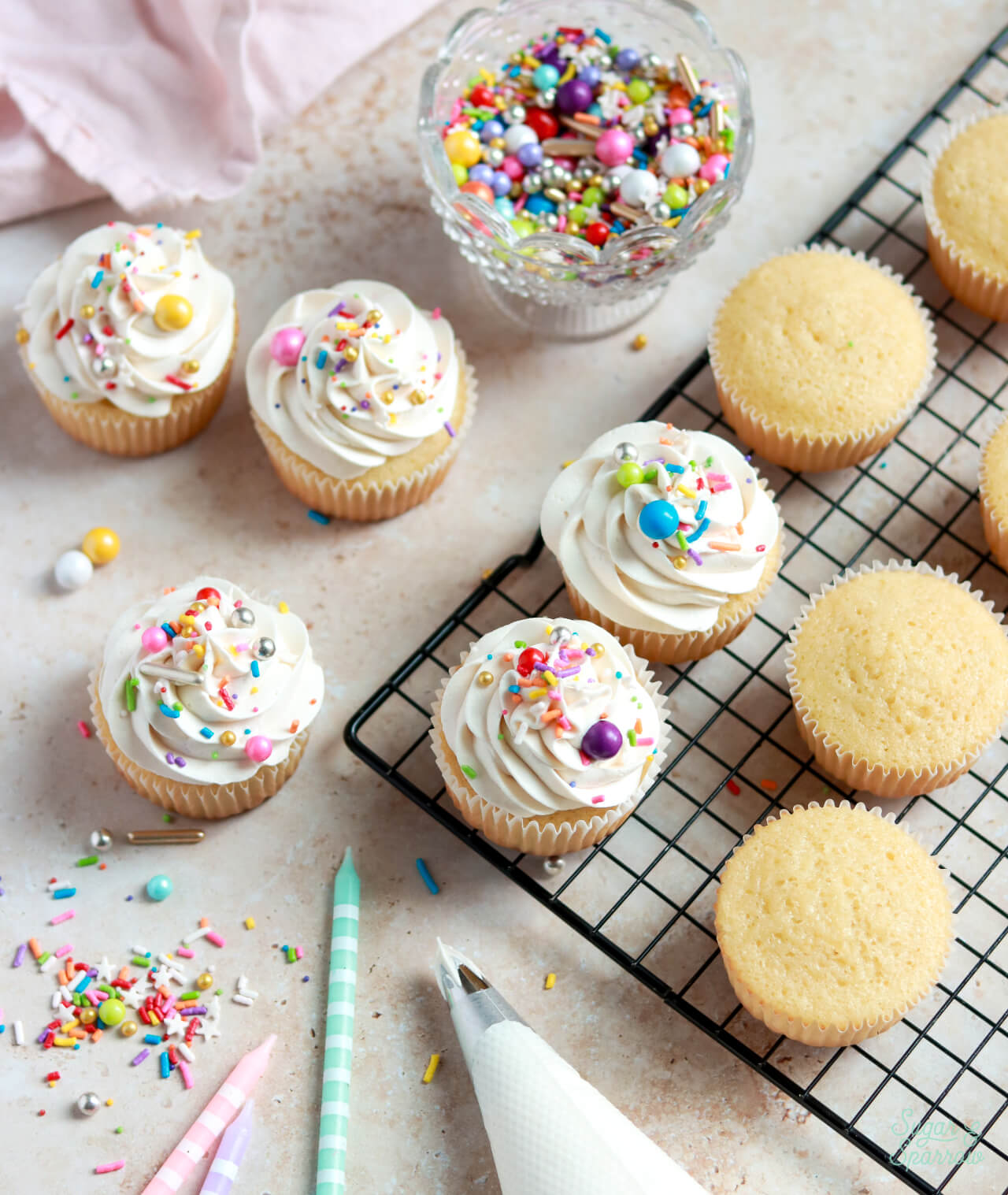
- Perfect for Cake Decorating. The consistency of this buttercream is ideal for filling and frosting layer cakes and decorating cupcakes. You can easily adjust the consistency to make it thinner or thicker depending on what you need it for.
- Strong Vanilla Flavor. You can use vanilla extract or vanilla bean paste here, either way you’ll end up with amazing vanilla flavor.
- Easy to Make Ahead. You can make this vanilla frosting up to two weeks ahead of time stored in the refrigerator, or up to two months ahead if you want to freeze it.
Vanilla Buttercream Ingredients
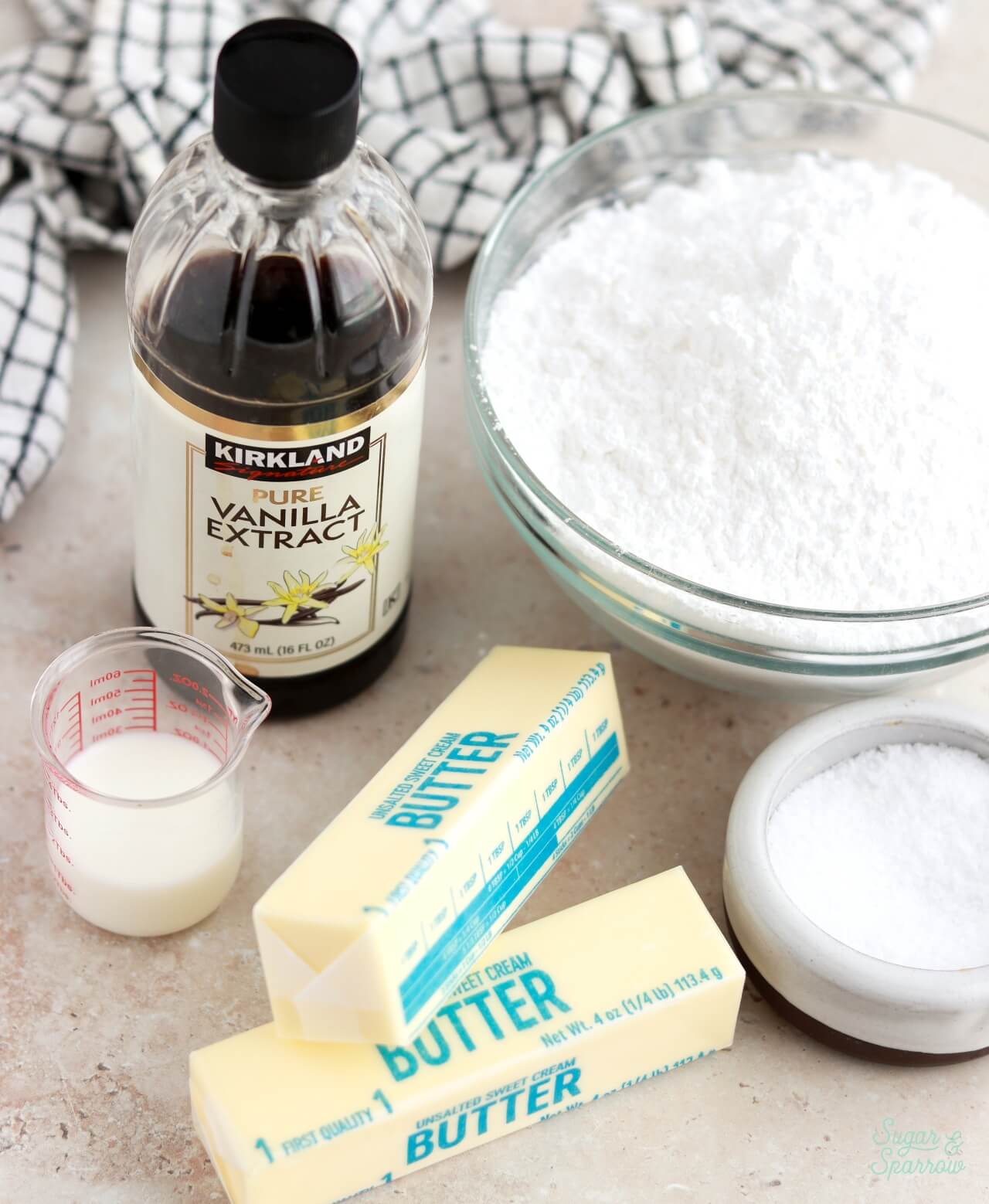
There are just a handful of ingredients you’ll need for this recipe and it’s simple to whip up for people of all skill levels. I’ll explain what role each ingredient plays in the buttercream and any substitutes you can use:
- Unsalted Butter. This is the base of the buttercream and gives the frosting a rich buttery flavor and velvety smooth texture. If you only have salted butter on hand, you can use that instead and omit the salt at the end of the recipe. And if you want a vegan version of this buttercream, you can follow this recipe which uses vegan butter sticks.
- Powdered Sugar. This adds stability to the frosting while sweetening. I like to use less powdered sugar than the average American buttercream so that the frosting doesn’t end up cloyingly sweet, but if you’d like it even less sweet you can reduce the powdered sugar amount by up to ½ cup (60g). Just keep in mind that the consistency of the buttercream will be thinner.
- Vanilla. You can use either vanilla extract or vanilla bean paste to flavor the buttercream, and making sure you use a quality brand is one of the secrets to success. You can use any kind of vanilla extract or paste, but my favorite brands are Trader Joe’s and Kirkland Signature (from Costco) for vanilla extract, and Nielsen-Massey for vanilla bean paste. If you’re looking for more flavor options, I have all of my frosting recipes here.
- Milk or Heavy Whipping Cream. This thins out the buttercream while binding all the ingredients together. I like to use a liquid with lots of fat for this part because it makes the final frosting more velvety smooth, so whole milk or heavy whipping cream are my go-to’s. If you’d rather use a dairy-free option you can substitute this with any milk alternative, but keep in mind that the flavor of the liquid will affect the overall frosting flavor.
- Salt. A pinch of salt helps balance the sweetness beautifully.
How to Make Vanilla Buttercream
- Whip the Butter.
- Add the Powdered Sugar
- Add the Vanilla, Milk, and Salt.
- Mix Until Smooth.
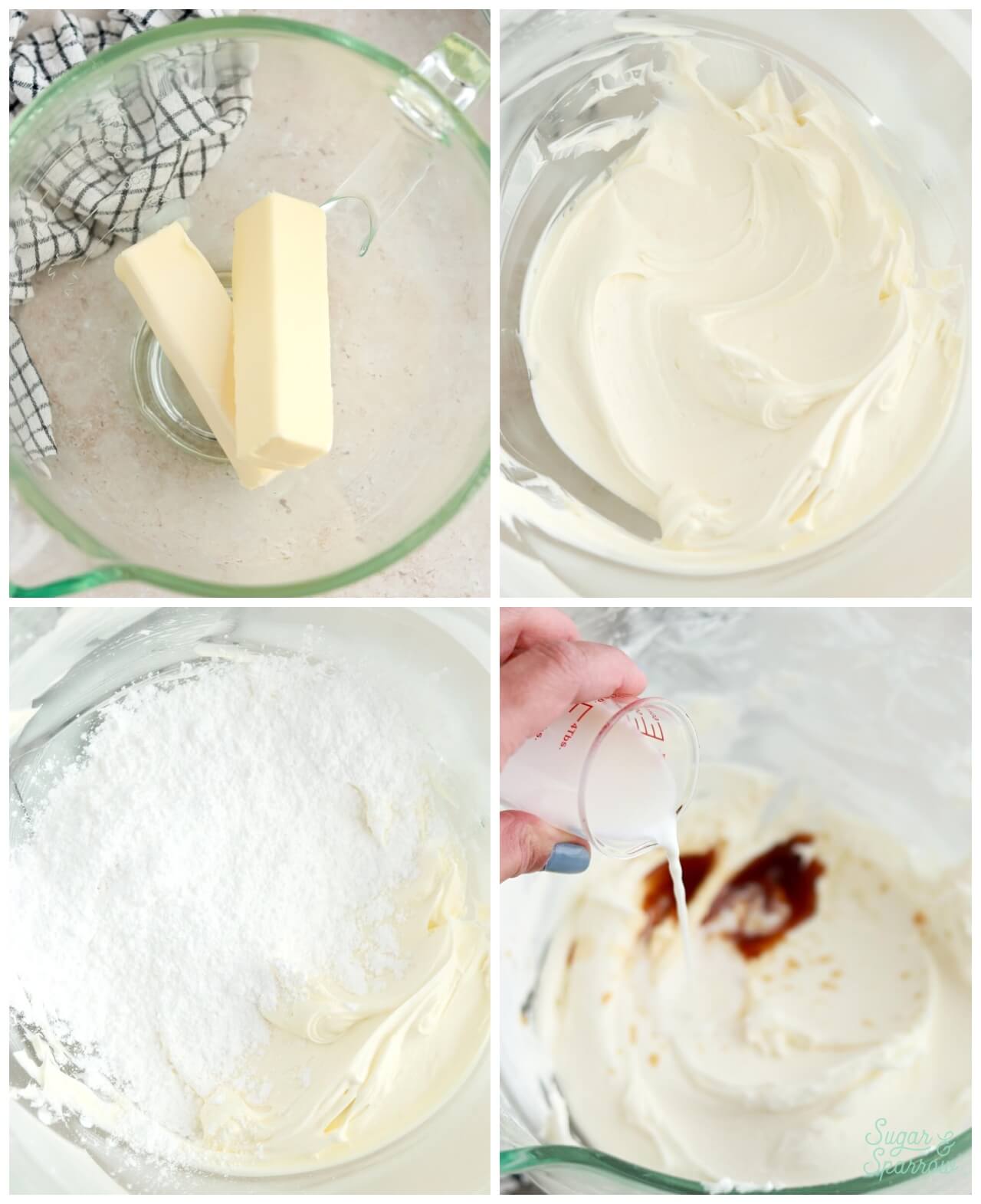
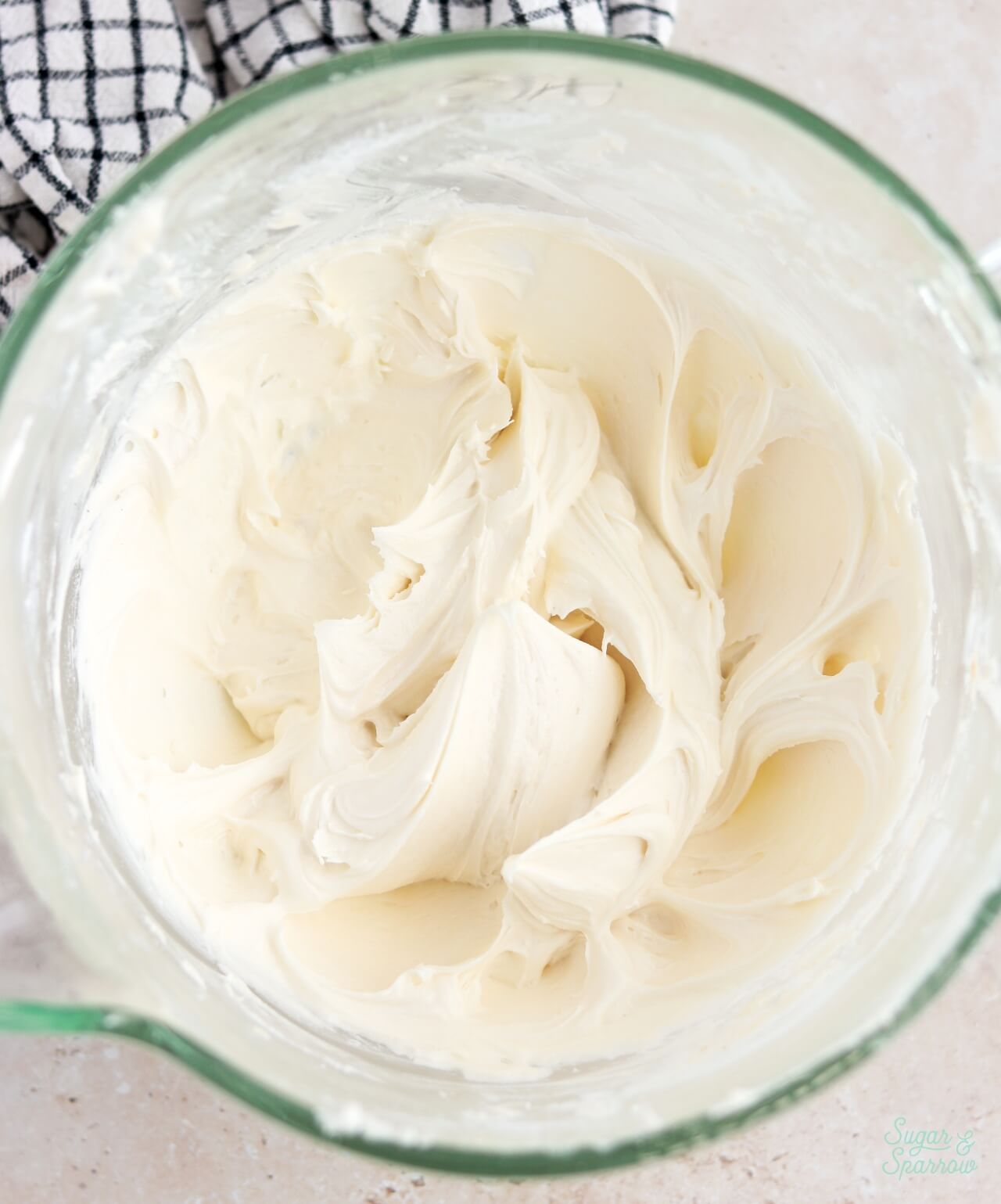
How to Make the Right Buttercream Consistency
Depending on what you’re using this vanilla buttercream recipe for, you’ll want to consider the final consistency of the buttercream (in other words, how thick or thin it is). I have a detailed blog post on how to achieve the perfect buttercream consistency if you want additional resources. Here are the 3 types of buttercream consistency and what they’re best used for:
| Buttercream Consistency | Best For | How to Make It |
| Medium Consistency (the recipe as-is) | -Filling and stacking cakes -Crumb coating -Frosting a smooth buttercream finish -Piping a buttercream border -Piping swirls onto cupcakes | Follow the exact recipe below |
| Thin Consistency | -Piping a message with frosting -Buttercream painting -Getting a super smooth final coat of frosting (like what I use in this smooth buttercream hack) | Add one extra tablespoon of whole milk or heavy whipping cream at the end of the recipe |
| Stiff Consistency | -Piping buttercream flowers -Piping intricate designs that need to stand upright against gravity (like ruffles on a lambeth cake) -Piping a really sturdy buttercream dam before filling cakes with a soft filling. | Add extra powdered sugar to the recipe, about 2-3 tablespoons at a time, until the desired consistency is reached |
Vanilla Buttercream Tips for Success
This buttercream is simple for anyone to make, but there are a few things to keep in mind when making, storing, and working with it.
- Room Temperature Ingredients. Be sure to use room temperature ingredients. This is important for ingredients to combine and create a smooth consistency. Over the years I’ve found that cutting corners like adding cold milk will create a curdled look in the final frosting because the temperature hinders the ingredients from coming together smoothly. Not the best look! So, take your ingredients like butter and milk out of the refrigerator for about an hour prior to making the frosting.
- Use the Paddle Attachment on Your Stand Mixer. Also known as the flat beater attachment, the paddle attachment is designed to incorporate just the right amount of air into the buttercream. This makes it easier to make smooth buttercream without a ton of air bubbles.
- Whip the Butter for a Long Time. To achieve the smoothest buttercream that’s also nearly white in color, you’ll want to whip the butter for a long time – about 7 minutes. In this amount of time, the butter should go from yellow to almost white and be extra smooth.
- Then Mix Everything Else on Low Speed. After you whip the butter, it’s important to keep the mixer on low speed any time you’re mixing in the additional ingredients. Even though it will take longer to mix the ingredients, keeping the mixer on low speed helps prevent air bubbles from forming in the buttercream.
- Let the Ingredients Fully Combine. After I mix in the final ingredient (salt) I like to run the mixer on low speed for another minute or two to allow everything to combine fully. This gives the powdered sugar time to dissolve as well, so the buttercream will taste smooth and not grainy.
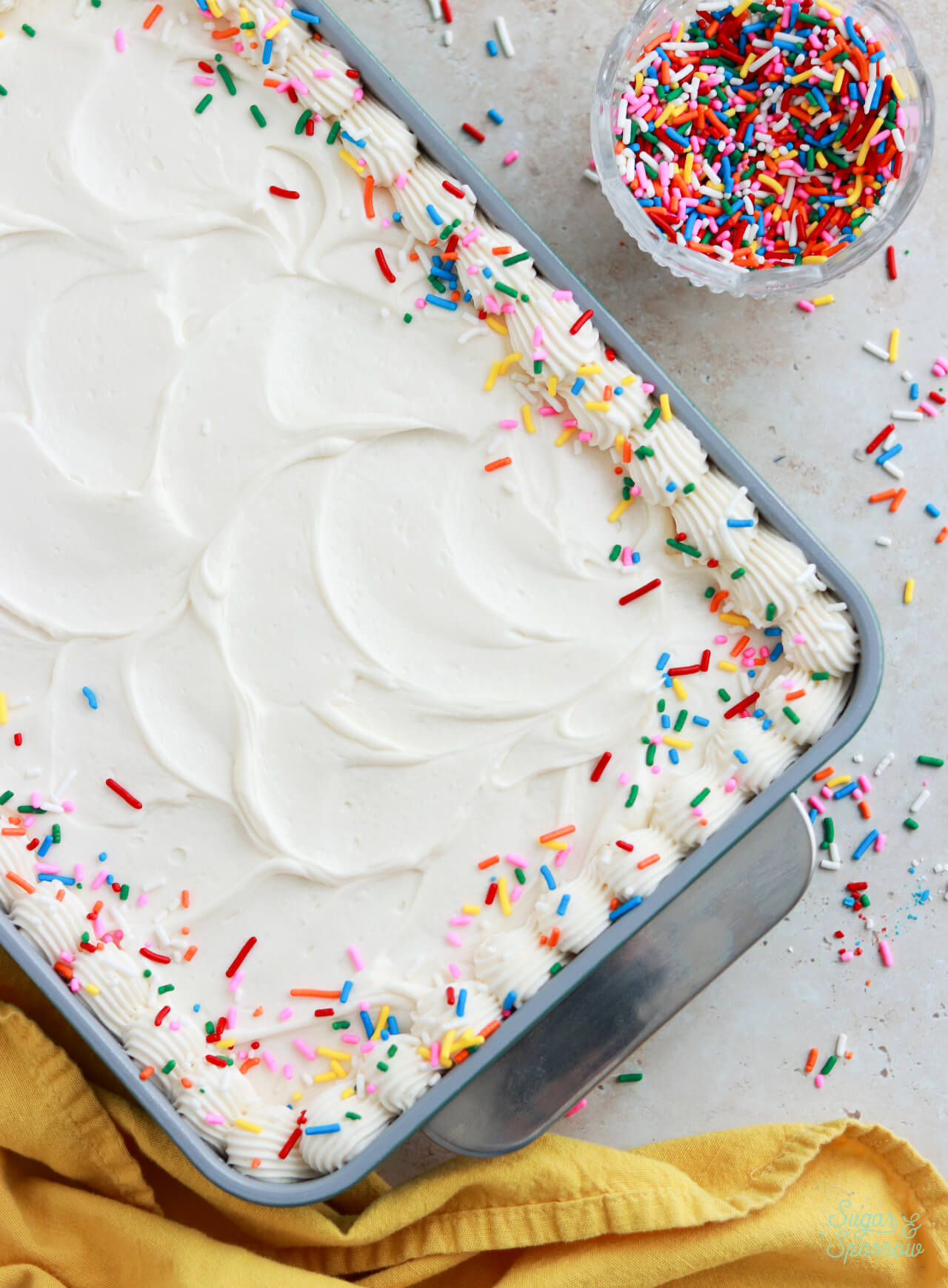
Vanilla Buttercream Troubleshooting + FAQs
- How much buttercream do I need to make for my cake project? It depends! I made this handy chart to help you calculate how many batches of buttercream to make for your specific cake size.
- How do I make my buttercream whiter? This buttercream is pretty white as-is from whipping the butter for so long, but to get it even more white, you’ll either want to add an icing whitener like AmeriColor Bright White or the tiniest amount of purple food coloring (it helps cancel out yellow hues).
- Do I need to sift the powdered sugar? It’s not absolutely required, but to get the smoothest texture for your buttercream, you’ll want to sift the powdered sugar.
- How do I get rid of air bubbles in my frosting? There are a few techniques! I detail them all in this blog post.
- Why is my buttercream grainy? Your powdered sugar isn’t fully dissolved. Keep mixing on low speed until it’s no longer grainy.
- Why does my buttercream look curdled? The most common reason is adding liquid (like the milk in the recipe) that is cold. This seizes up the butter content and creates a curdled look. To fix it, scoop out about ¼ cup of the buttercream and place it into a microwave-safe bowl. Heat it for 5-10 seconds, until it’s melted but not hot. Then, mix it into the rest of the buttercream to re-emulsify the separated fats and liquids.
- Why is my buttercream too thin? This recipe will end up thinner than usual if you start with butter that is too soft or your kitchen environment is too warm. In either of these cases, refrigerate the whole bowl of buttercream for 15-20 minutes to let the butter re-solidify slightly, then re-mix with your stand mixer on low speed until smooth.
- Why is my buttercream hard to spread? Sometimes after storing buttercream, it can thicken naturally and become hard to spread when you’re frosting a cake. In this case, I recommend re-mixing on low speed with your stand mixer and adding 1-2 teaspoons of room temperature milk until the consistency is silky and easy to spread.
- How do I store buttercream? Place the buttercream in an airtight container and store at room temperature for 1-2 days, or in the refrigerator for up to 2 weeks. When you’re ready to use it, bring it back to room temperature and re-mix with your stand mixer on low speed until smooth. You can also freeze buttercream in a Ziploc bag for up to 2 months, then thaw it in the refrigerator overnight before bringing it back to room temperature and re-mixing until smooth.
Vanilla Buttercream Video Tutorial
This video shows my vanilla buttercream recipe from start to finish and includes all my best tips for success. Be sure to subscribe to my YouTube channel for all my latest recipe videos and cake decorating tutorials!
Cake Recipes to Pair with Vanilla Buttercream
The great thing about vanilla buttercream is that it pairs well with pretty much any cake flavor! Here are a few of my favorite recipes to pair it with:
- Vanilla Cake
- Vanilla Cupcakes
- One-Bowl Chocolate Cake
- Chocolate Cupcakes
- Funfetti Sheet Cake
- Funfetti Cupcakes
I hope this vanilla buttercream recipe becomes your new go-to! Let me know what you think in the comments below (be sure to leave a star rating!) and feel free to tag @sugarandsparrowco on Instagram to show me a photo.
Vanilla Buttercream
Ingredients
- 1 cup (226g) unsalted butter, room temperature
- 3 1/2 cups (420g) powdered sugar, sifted
- 2 tsp vanilla extract
- 2 Tbsp whole milk or heavy whipping cream, room temperature
- 1/4 tsp salt, or to taste
Instructions
- With a hand mixer or paddle attachment on your stand mixer, cream the butter on medium-high until it’s creamy and light (almost white) in color. About 7 minutes.
- With the mixer on low, add the sifted powdered sugar one cup at a time, scraping down after each addition and making sure each cup is fully incorporated before adding the next one.
- Add vanilla, milk, and salt and mix on low for another minute until fully incorporated.
Notes
- Frost 12-15 cupcakes with a piping bag
- Fill and crumb coat a three-layer 6-inch cake or two-layer 8-inch cake. To have enough for frosting and decorating as well, double the recipe.

Why is my buttercream grainy? No matter what I do my sugar never melts into the butter
Hi Manisha! It’s hard to know exactly what’s causing the graininess since I am not able to observe your exact method/ingredients used with this recipe. After searching Google a bit, it seems like grainy texture can happen from the following reasons: 1) ingredients aren’t room temperature (usually when they’re too cold), 2) powdered sugar is made from a less-dissolvable source (apparently Cane Sugar is the best source to use), 3) powdered sugar was not sifted, and 4) you didn’t give the mixture enough time to come together at the end. If your ingredients are room temp, you’re using the right powdered sugar, and you’ve sifted it, try mixing it on low for an additional minute or two to give it more time to dissolve. If it’s still grainy, try add a tsp of room temperature milk and continue mixing.
I have the same issue. My buttercream icing is always grainy. I followed all above 4 points you mentioned but it’s still grainy 🙁
Hi Nikki! If it’s still grainy after all four of those suggestions and you haven’t made any substitutions and made sure your ingredients were all room temp, my only recommendation to fix it is to add 1-2 tsp more (room temp) liquid and mix it on low with your stand mixer for 1-2 more minutes. The mixing on low should allow the sugar the time it needs to dissolve.
So I’m doing your smash cake recipe and I also wanted to use this buttercream but it yields a lot of such a small cake. How much do you think I should divide it
Hi Jada! I typically use one batch of this to fill, frost, and decorate a smash cake. If you half the recipe it will be just enough to fill and frost with a thin layer of frosting.
Excellent, I already made the recipe and for my best of all you are the maximum thousand thanks
So happy you love this recipe, Yudirma! Thanks for taking the time to let me know 🙂
Hi! Your vanilla cupcake recipie with your vanilla buttercream recipie is delicous!
Thank you so much, Ale! So happy to hear you love those recipes!
Hi your frosting recipie is AMAZING I have been using it ever since the first day I made it!
Hi!
How much should I double this to have enough frosting to fill & frost a three layer 9” cake? Thank you!
Hi Kacie! Doubling this recipe should be just enough for filling and frosting a three layer 9 inch cake. If you want to do any additional decorating with the frosting (piping, etc) then I recommend making 2.5x the recipe.
Thanks for this recipe. I know it’ll affect it taste-wise, but will using margarine affect this recipe texture-wise?
Hi there! I’m not exactly sure how it will affect the texture to use margarine instead of butter, as I’ve never tried it before. But after a quick Google search it looks like margarine is a suitable substitute for butter in a buttercream recipe! I’d say go for it!
Hi! I have made your recipe before and I had to keep myself from eating it all before I had my cake frosted! I am making a “number 3” cake for my twins’ birthday this weekend using 2 Bundt cakes. I will do a crumb coat and then pipe stars all over it. How many batches would you recommend making? I will be making a few different colors with it so I don’t want to come up short and then have to try to match the colors if I have to make another batch.
Hi Sarah! So happy you love this recipe and your cake sounds so cute!! To be on the safe side, I would double this recipe to ensure you have enough for crumb coating and decorating. You might end up with a little extra, but in my opinion it’s better to have a little more than barely enough 🙂 have fun!
Hi from Australia Whitney! Thanks for all the detailed info. I’m about to try your galaxy cake next week for my 5 year old. I was wondering, do you sugar syrup your cakes before layering/frosting/crumb coating them? Or does that depend in the cake recipe used?
Love your videos, Belinda
Hi Belinda! I don’t typically syrup my cakes before filling and frosting, as they’re already pretty moist and flavorful as-is. It’s something you can totally do with any layer cake though!
I love this buttercream recipe! I hate it when buttercream is too sweet and this one is perfect.
How much of this recipe would I need to fill and frost a 3 or 4 (I haven’t decided yet!) layer 8-inch cake? Would I double the recipe? x
So happy you love this recipe, Elissa! I would make 2.5x the recipe to fill and frost a 3-4 layer 8-inch cake.
I have being searching for a good butter cream recipe, God bless you for this knowledge. I will definitely give it a try.
Excited for you to try this recipe, Precious!
Hi! I love this recipe! I have been searching for one that wasn’t quite so sweet, and this is perfect!! I was wondering if there is a brand of vanilla you love? Right now I use Molina. Thanks again for sharing your delicious recipe!
Hi Aubree! So happy you love this recipe as much as I do! I love using Trader Joe’s Bourbon Vanilla Extract in mine.
Hi, thank you for sharing. If using milk or cream , how safe is it to be left out of fridge? Some cakes will be out on table etc at parties. Thank you
Hi Sue! The sugar content in the frosting actually preserves the small amount of dairy in this recipe, so it’s safe to leave out on a frosted cake for up to 3-4 days.
Hello! I can’t wait to try this recipe! Have you ever added chocolate to this, either melted chocolate or cocoa powder, and if so, how much? I am always looking for a good chocolate American buttercream recipe to go with classic yellow cake.
Thanks!
Hi Bethany! I do have the chocolate version here and it pairs perfectly with yellow cake: https://sugarandsparrow.com/chocolate-buttercream-recipe/ one of my favorite cake flavor combos of all! If you need a good yellow cake recipe, I have one as well: https://sugarandsparrow.com/yellow-cake-recipe/
Hello there! To avoid too many air bubbles in your bc, do you add the sugar at low speed? There seems to be different techniques out there! Th am you!
Hi Andree, I do add the sugar at a low speed and I find that it helps control the amount of air being incorporated into the buttercream. I’ll add that to the instructions!